Prioritisation
UAT Sign-Off Template for Small Projects: A Comprehensive Guide
2 November 2026 · 10 min read
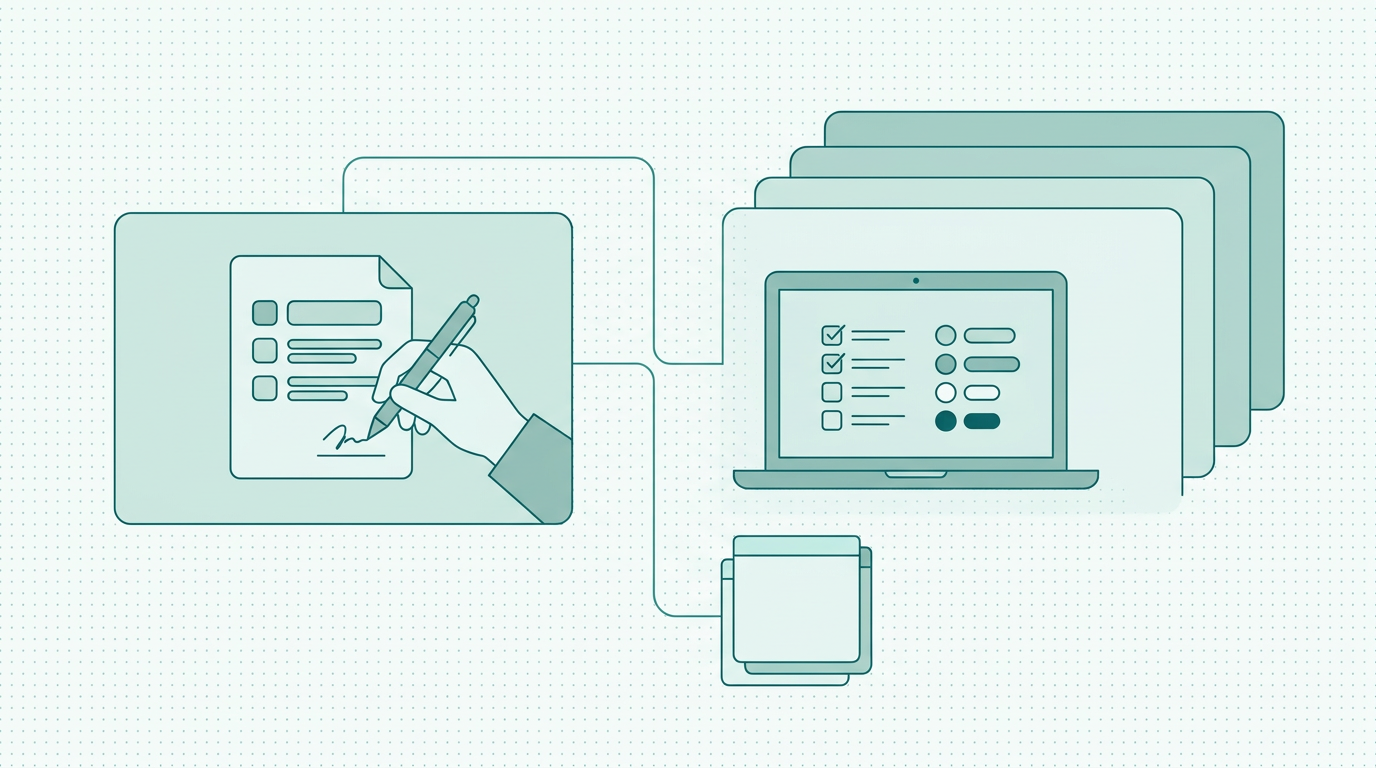
Discover how to create an effective UAT sign-off template for small projects, ensuring clarity and alignment among stakeholders.
Understanding the importance of UAT sign-off in small projects
User Acceptance Testing (UAT) is a critical phase in the project lifecycle, especially for smaller projects where resources and timelines are often limited. A well-organized uat sign-off template for small projects is essential for validating that the developed product meets the user's needs and requirements before it goes live. This phase is not just a box-checking exercise; it’s the final opportunity for stakeholders to assess the product's functionality and usability before it reaches end-users.
An effective UAT sign-off not only signifies that the product has passed the testing phase but also serves as a formal agreement among stakeholders that the project is ready for deployment. For managers and decision-makers in smaller organisations, implementing a structured UAT sign-off process can streamline project delivery and enhance collaboration among team members. By having a clear sign-off process, teams can reduce the risk of post-launch issues, as it ensures that all stakeholders have a shared understanding of the product’s capabilities.
Unfortunately, many smaller projects overlook the significance of UAT sign-off, leading to miscommunication and unmet expectations. In this article, we will discuss the components of a UAT sign-off template specifically designed for small projects, ensuring clarity and facilitating successful project outcomes.
Key Components of a UAT Sign-Off Template
A well-structured UAT sign-off template should encompass several key components that ensure all necessary information is captured. First, it should include project details, such as the project name, description, and relevant dates. This establishes the context for the sign-off and makes it easier to reference in future discussions.
Including a brief project background helps stakeholders understand the objectives and scope of the project. Second, the template must outline the criteria for acceptance, including specific functionalities that need to be tested and verified. For small projects, it can be helpful to include a checklist format, as this allows testers to easily assess whether each criterion has been met.
This checklist should be tailored to the unique aspects of the project, ensuring that all critical features are evaluated. Third, the template should identify the stakeholders involved in the sign-off process, including their roles and responsibilities. This clarity helps to prevent delays caused by ambiguity regarding who is responsible for approving the project.
By listing out specific names and their respective responsibilities, the template fosters accountability. Lastly, an area for comments and feedback should be included, allowing stakeholders to express any concerns or suggestions before final approval. This feedback loop is essential for continuous improvement and ensures that all voices are heard.
Steps to Create an Effective UAT Sign-Off Template
Creating an effective UAT sign-off template requires careful consideration of the project’s specific needs. Begin by gathering a list of stakeholders who will be involved in the UAT process. This group may include project managers, testers, end-users, and other relevant personnel.
Engaging with a diverse array of stakeholders at this stage ensures that all perspectives are considered, which can lead to a more comprehensive template. Next, compile the acceptance criteria based on the project's goals and user requirements. It's crucial to align these criteria with the actual functionalities of the product to avoid discrepancies later on.
After defining these components, design a template that is visually clear and easy to navigate. Use headings and bullet points to break down information, making it more digestible for stakeholders. Additionally, ensure that the template allows for easy updates, as changes may occur during testing.
Incorporating version control into the template can help track changes over time. Finally, conduct a review of the template with key stakeholders before finalising it, ensuring that all relevant perspectives have been considered. This collaborative approach not only improves the template but also fosters buy-in from participants, making them more likely to engage during the UAT phase.
Implementing the UAT Sign-Off Process
Once you have created a UAT sign-off template, the next step is to implement the sign-off process effectively. Begin by communicating the importance of UAT sign-off to all stakeholders involved. Hold a meeting to outline the process and expectations, ensuring that everyone understands the criteria they need to evaluate.
This step is crucial as it sets the tone for the testing phase and helps establish a sense of ownership among stakeholders. During the UAT phase, encourage open communication among team members to address any issues that arise. Regular check-ins can facilitate discussions about ongoing progress and any challenges encountered during testing.
It is essential to provide a timeline for the UAT phase to keep the project on track. This timeline should include key milestones and deadlines, which can help stakeholders manage their time effectively. After completing the testing, gather feedback, and make necessary adjustments before presenting the final product to stakeholders for sign-off.
Utilize the UAT sign-off template to formalise the approval, ensuring that all participants acknowledge their agreement. This process not only enhances accountability but also fosters a sense of ownership among stakeholders. By emphasizing the importance of each participant's role in the UAT, teams can work more collaboratively toward achieving project success.
Common Challenges in UAT Sign-Off for Small Projects
Despite the best efforts to implement a structured UAT sign-off process, several challenges may still arise, particularly in smaller projects. One common issue is the lack of time allocated for UAT. Smaller teams often juggle multiple responsibilities, which can lead to rushed testing phases and inadequate evaluations.
This scenario may result in critical flaws being overlooked, leading to potential setbacks after deployment. To mitigate this, project managers should advocate for dedicated time for UAT in the project timeline. Another challenge is the involvement of diverse stakeholders with varying levels of understanding of the product's functionalities.
This situation can lead to disagreements regarding whether the product meets the acceptance criteria, causing delays in the sign-off process. Providing training sessions or workshops on the product can help ensure that everyone is on the same page. Additionally, limited documentation and unclear communication can exacerbate misunderstandings among team members, further complicating the UAT process.
Addressing these challenges requires proactive planning, clear communication, and a commitment to thorough testing. Establishing a communication plan that outlines how updates and feedback will be shared can significantly improve clarity and understanding throughout the process.
Best Practices for Successful UAT Sign-Off in Small Projects
To ensure successful UAT sign-off in small projects, several best practices can be adopted. Firstly, it's essential to involve end-users early in the testing phase, as their feedback is invaluable in assessing whether the product meets their needs. Early engagement can help identify potential issues before they become entrenched, leading to a smoother UAT process.
Secondly, providing training or resources to stakeholders on how to effectively use the UAT sign-off template can enhance their understanding and engagement in the process. Consider creating a user guide or conducting training sessions to walk stakeholders through the template. Thirdly, establish a clear timeline for UAT and communicate any changes transparently to all stakeholders.
Regular check-ins can help identify any issues early on, allowing for timely resolutions. Furthermore, consider using tools like PlanToValue to facilitate the management of incoming requests and keep all stakeholders aligned throughout the UAT process. This platform aids in tracking the progress of testing and ensures that all feedback is documented and addressed efficiently.
By implementing these best practices, small organisations can improve their UAT sign-off process, leading to more successful project outcomes. Additionally, fostering a culture of openness and collaboration can create an environment where stakeholders feel comfortable voicing their concerns, ultimately benefiting the project as a whole.
Evaluating the Success of the UAT Sign-Off Process
After the UAT sign-off process is complete, it’s vital to evaluate its success. One effective method is to conduct a retrospective meeting with all stakeholders involved in the UAT. During this meeting, discuss what went well, what challenges were faced, and how the process could be improved in future projects.
Gathering feedback from participants can highlight areas for improvement, which can be particularly useful for refining the UAT sign-off template itself. Moreover, tracking metrics related to UAT outcomes, such as the number of issues found during testing or the time taken for sign-off, can provide quantitative insights into the effectiveness of the process. This data can help in setting benchmarks for future projects and in making informed decisions on resource allocation and timelines.
Continuous improvement should be the goal; by learning from each UAT cycle, organisations can enhance their processes, leading to better project outcomes and increased stakeholder satisfaction.
Conclusion: Streamlining UAT Sign-Off for Project Success
In summary, a well-designed UAT sign-off template serves as a vital tool for small projects, fostering clear communication and agreement among stakeholders. By understanding the key components, creating an effective template, and implementing a structured process, managers and decision-makers can streamline the UAT sign-off phase, enhancing project efficiency and success. Recognising the common challenges and adopting best practices will further strengthen the overall testing process.
For those looking to bring order to their incoming requests and improve their project management practices, incorporating a solution like PlanToValue can provide significant benefits. This platform can help organisations manage requests and deliverables effectively, ultimately leading to successful outcomes. Investing time in developing a comprehensive UAT sign-off template can ensure that all stakeholders are on the same page, paving the way for a successful project delivery.
Remember, effective UAT sign-off is not just about ticking boxes; it’s about creating a collaborative environment where every stakeholder feels valued and heard.
- Project Name and Description
- Acceptance Criteria Checklist
- Stakeholder Roles and Responsibilities
- Comments and Feedback Section
- Sign-Off Approval Section
- Timeline for UAT
- Training Resources for Stakeholders
FAQ
Frequently asked questions
What is a UAT sign-off template?
A UAT sign-off template is a structured document that outlines the criteria for acceptance of a project during the User Acceptance Testing phase. It ensures all necessary details are captured for formal approval, including project specifics and stakeholder responsibilities.
Why is UAT sign-off important for small projects?
UAT sign-off is crucial for small projects as it formalises stakeholder agreement on the product's readiness for deployment, helping prevent miscommunication and unmet expectations. It serves as a safeguard, ensuring that all functionalities have been validated before launch.
What are the key components of a UAT sign-off template?
Key components include project details, acceptance criteria checklists, stakeholder roles, a comments section, and a sign-off approval section to ensure clarity and agreement. Additionally, a timeline and training resources can enhance the process.
How can PlanToValue assist with UAT sign-off processes?
PlanToValue can streamline the management of incoming requests and facilitate collaboration among stakeholders, ensuring that all feedback is documented and addressed efficiently throughout the UAT process. This tool helps to keep everyone aligned and informed, making the sign-off smoother.