Prioritisation
Effective Strategies for Triage of Incoming Work Requests
12 November 2026 · 8 min read
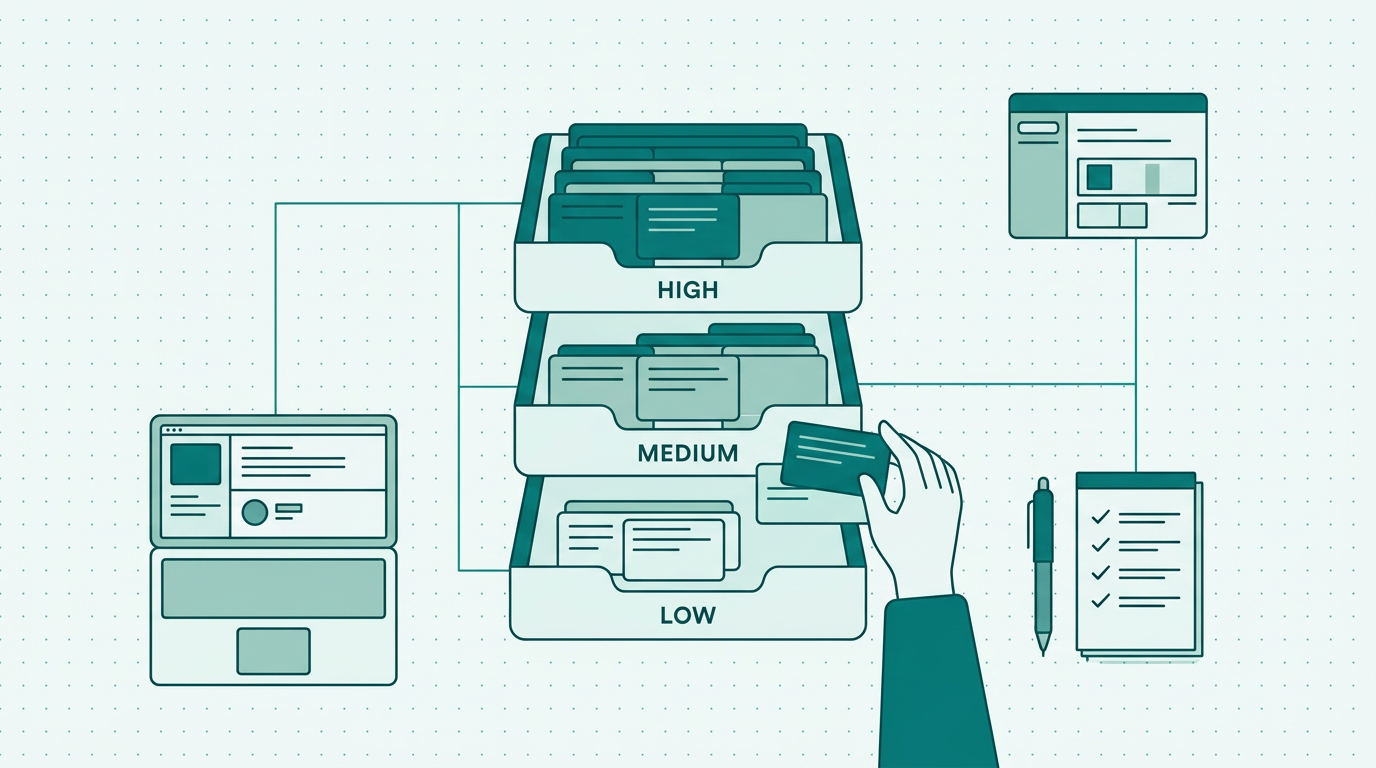
Learn how to effectively triage incoming work requests to enhance project management and efficiency in your organization.
Mastering the art of triage: A guide for managers
In the fast-paced environment of smaller organizations, managers often face an overwhelming number of incoming work requests. Knowing how to triage incoming work requests effectively is essential for ensuring that resources are allocated appropriately, maintaining team morale, and achieving strategic objectives. These requests can vary significantly in scope, urgency, and potential impact on the organization's goals.
However, many managers struggle with the lack of a systematic approach to manage these incoming requests. This article explores practical strategies for triaging work requests and introduces how PlanToValue can simplify this process. Triage is not just a matter of urgency or importance; it also involves understanding the broader context of each request, including the resources required and the potential outcomes.
By creating a robust triage framework, managers can minimize chaos and foster a more organized workflow that aligns with the organization’s strategic vision.
Understanding Triage: What It Means for Your Organization
Triage, in the context of work requests, refers to the process of evaluating and prioritizing incoming tasks based on their urgency and importance. This method is commonly used in healthcare settings to prioritize patient care, but it is equally applicable in business environments. For instance, a marketing team might receive requests for social media posts, website updates, and promotional materials all at once.
Understanding the appropriate criteria for triage can help teams decide which requests to address first. Establishing clear categories, such as critical, high, medium, and low priority, allows teams to allocate resources efficiently. Furthermore, using a structured approach can significantly enhance decision-making and productivity.
It is essential to note that triage is not a one-time event but an ongoing process that requires continual reassessment as new requests come in or as existing requests evolve. By fostering a culture that embraces flexibility and adaptability in triage, organizations can better respond to changing priorities and external pressures.
Establishing Clear Criteria for Effective Triage
Defining clear criteria for triaging incoming work requests is fundamental to an effective workflow. Start by identifying factors such as urgency, impact on business objectives, available resources, and alignment with strategic goals. For example, a request that could potentially generate significant revenue should take precedence over routine tasks.
Additionally, consider the potential risks associated with delaying a request. By weighing these criteria, you can create a scoring system or a simple checklist to categorize requests. This structured approach not only helps in making informed decisions but also promotes transparency among team members about why certain tasks are prioritized over others.
Moreover, it is beneficial to involve the team in establishing these criteria. By gathering input from various team members, you can ensure that the criteria reflect diverse perspectives and are more likely to gain buy-in from the entire team. Regularly revisiting and refining these criteria based on feedback and changing organizational needs is also crucial to maintaining their relevance and effectiveness.
Utilizing Technology for Streamlined Triage Processes
Incorporating technology into the triage process can greatly enhance efficiency and accuracy. Tools like PlanToValue provide a centralized platform for managing incoming requests, allowing teams to review, prioritize, and track tasks in real time. By using such tools, organizations can automate aspects of the triage process, reducing the time spent on managing requests and increasing focus on execution.
For instance, PlanToValue allows users to set criteria for prioritization and visualize the status of each request, making it easier to communicate priorities to the entire team. This not only fosters collaboration but also enables better tracking of progress and outcomes. Additionally, integrating tools that allow for analytics can provide deeper insights into the triage process, helping to identify patterns in requests that may require adjustments in resource allocation or staffing.
By leveraging technology, organizations can create a more agile triage system that can adapt to shifts in workload or project demands, ultimately leading to improved overall performance.
Engaging Team Members in the Triage Process
Involving team members in the triage process can lead to more informed decisions and foster a collaborative environment. Encourage team discussions on incoming requests, where members can share insights and provide feedback on priorities. This is particularly beneficial in cases where requests may impact various departments or functions.
For instance, a request for a major product update may affect both marketing and development teams. By engaging various stakeholders in the triage process, organizations can ensure that all perspectives are taken into account, leading to more balanced prioritization and better resource allocation. Moreover, creating a sense of ownership among team members can improve morale and accountability.
When team members feel that their opinions matter and that they are active participants in the decision-making process, they are more likely to be committed to the outcomes. It is also helpful to establish regular check-ins or review meetings where the team can reflect on the effectiveness of the triage process, allowing for continuous improvement and adaptation.
- Define clear triage criteria based on urgency and impact.
- Implement a scoring system for prioritizing requests.
- Use technology to streamline and centralize the triage process.
- Encourage team discussions for collaborative decision-making.
- Regularly review and adjust triage criteria based on feedback and outcomes.
- Foster a culture of flexibility to adapt to changing priorities.
- Engage multiple stakeholders to gather diverse insights.
- Utilize analytics from technology tools to identify trends and improve processes.
Measuring the Effectiveness of Your Triage Process
To ensure the triage process is delivering the desired results, it is essential to measure its effectiveness. Key performance indicators (KPIs) such as the average time taken to address incoming requests, the percentage of requests completed on time, and team satisfaction can provide valuable insights. Regularly reviewing these metrics allows organizations to identify bottlenecks in the process and areas for improvement.
Additionally, gathering feedback from team members about the triage process can foster a culture of continuous improvement. By making adjustments based on measurable outcomes, organizations can enhance their triage practices and drive better results. It is also beneficial to benchmark these metrics against industry standards or past performance to gauge progress over time.
Furthermore, tracking the impact of prioritized tasks on overall organizational goals can help to illustrate the value of a well-implemented triage process, thereby justifying the resources allocated to it. In this way, a consistent review of effectiveness not only aids in refining the triage process but also demonstrates its importance to stakeholders.
Common Challenges in Triage and How to Overcome Them
While triaging requests can greatly improve organizational efficiency, managers may encounter several challenges along the way. One common issue is the overwhelming number of requests that can lead to paralysis by analysis, where decision-makers struggle to prioritize effectively. To combat this, organizations can set clear deadlines for decisions, encouraging quicker assessments and minimizing indecision.
Another challenge is lack of clarity in request submissions, which can lead to misinterpretations and misplaced prioritization. To address this, establishing a standardized request form that captures necessary details can streamline the process. Additionally, resistance to change can hinder the implementation of new triage systems.
To counter this, it is vital to communicate the benefits of the triage process to the team, involving them in the development and execution stages to gain their buy-in. By anticipating these challenges and developing strategies to address them, organizations can create a more effective and resilient triage system.
Taking the Next Step with Effective Triage
Implementing a robust triage process is crucial for smaller organizations looking to manage incoming work requests effectively. By defining clear criteria, leveraging technology, and engaging team members, organizations can streamline workflows and enhance productivity. PlanToValue stands out as a powerful tool that supports these initiatives by centralizing request management and facilitating prioritization.
Implementing such a system not only aids in decision-making but also improves overall team dynamics and project outcomes. As you consider refining your triage process, think about how adopting technology like PlanToValue can serve as a catalyst for positive change. Further, continuous learning and adaptation are key to successful triage.
As your organization grows and evolves, revisiting and refining your triage criteria and processes will ensure that you remain agile and responsive to both internal and external changes.
FAQ
Frequently asked questions
What is triage in the context of work requests?
Triage refers to the process of evaluating and prioritizing incoming work requests based on their urgency and importance, ensuring efficient resource allocation and alignment with organizational goals.
How can I establish criteria for triaging requests?
Criteria can include urgency, impact on business objectives, available resources, and alignment with strategic goals. Creating a scoring system or checklist to categorize requests can help facilitate this process.
What role does technology play in the triage process?
Technology streamlines the triage process by centralizing management, automating tasks, and providing real-time tracking of requests. This enhances efficiency and allows teams to focus on executing prioritized tasks.
Why is it important to involve team members in triage?
Involving team members promotes collaboration, ensures diverse perspectives are considered, and leads to more informed prioritization decisions. This can also enhance team morale and accountability.
What challenges might arise during the triage process?
Challenges can include overwhelming numbers of requests, lack of clarity in submissions, and resistance to change. Addressing these challenges requires clear communication, standardized processes, and active involvement of team members.