Prioritisation
Effective Strategies for Testing and Accepting Work from Web Agencies
13 November 2026 · 10 min read
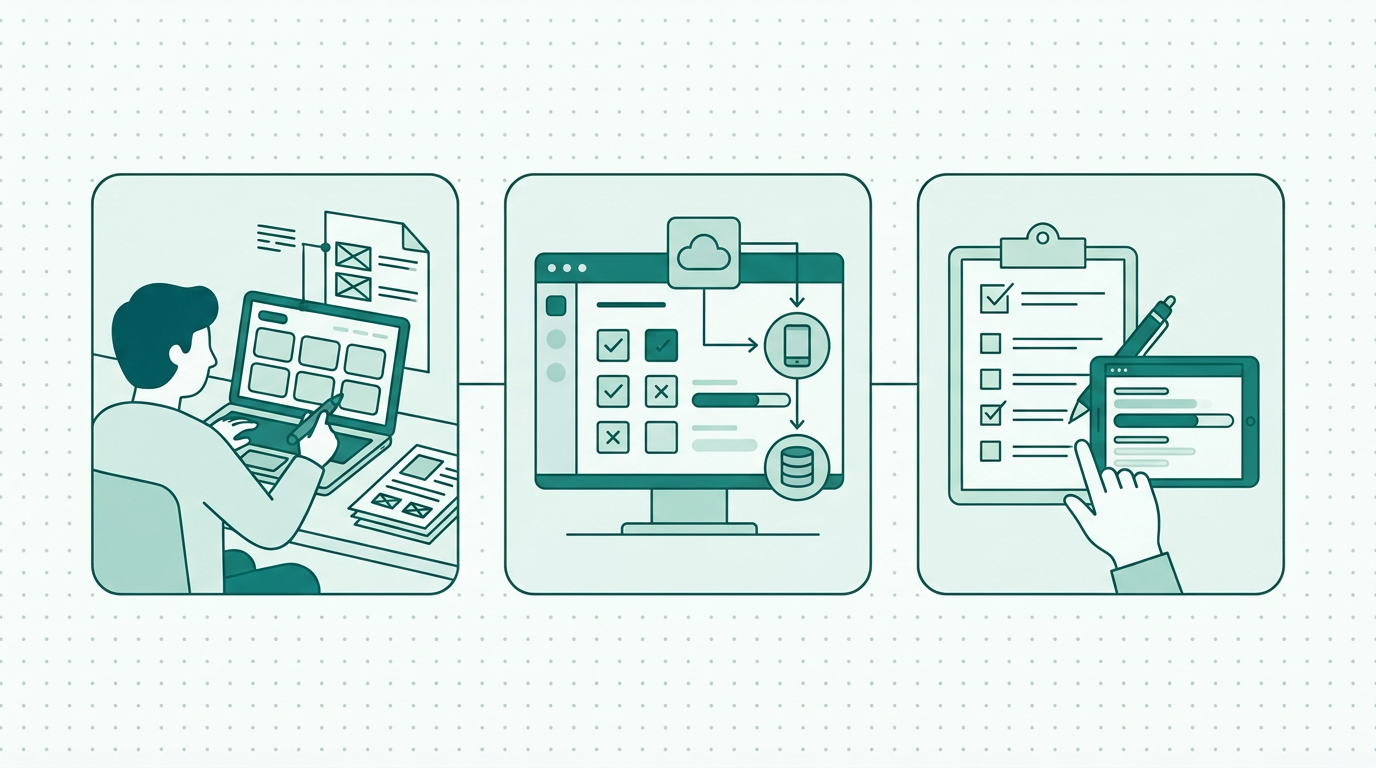
Discover how to effectively test and accept work from web agencies, ensuring quality and satisfaction for your projects.
Ensuring quality: The importance of testing work from web agencies
Engaging a web agency to deliver your digital projects can be a game-changer for your organisation. However, knowing how to test and accept work delivered by a web agency is crucial for ensuring the quality of their deliverables and for project success. Testing and accepting the work delivered by a web agency involves a systematic approach that helps you validate if the output meets your requirements and expectations.
This process not only safeguards your investment but also fosters a strong relationship with your agency. Many organisations struggle with this aspect, often leading to misunderstandings and unsatisfactory outcomes. To address these challenges, PlanToValue offers a structured solution that assists you in managing and evaluating incoming requests effectively.
Through a clear framework, you can streamline the testing and acceptance process, ensuring that you receive the quality you expect. Additionally, it is essential to understand that this quality assurance process is not just a one-time event; it requires continuous engagement and iterative feedback to maintain high standards throughout the project lifecycle.
Key Steps in the Testing and Acceptance Process
To effectively test and accept work from a web agency, follow a series of critical steps. Start by defining clear acceptance criteria that outline your expectations for the project. This initial step sets a benchmark against which the agency's work will be measured.
Next, conduct thorough testing, which should include functional testing, usability testing, and performance testing. Each type of testing plays a vital role in ensuring that the delivered product operates as intended and provides a positive user experience. Functional testing focuses on verifying that the website or application performs its intended functions correctly, while usability testing assesses how user-friendly and accessible the product is for your target audience.
Performance testing evaluates how the system behaves under various conditions, such as high traffic loads. After testing, gather feedback from stakeholders and document any issues or concerns. This feedback should be communicated to the web agency, allowing them to make necessary adjustments.
Finally, once all issues are resolved, you can proceed with formal acceptance of the work, ensuring that it aligns with the predetermined criteria.
- Define clear acceptance criteria
- Conduct functional testing
- Perform usability testing
- Execute performance testing
- Gather stakeholder feedback
- Document issues and communicate with the agency
- Provide formal acceptance or request adjustments
Understanding Acceptance Criteria and Feedback
Acceptance criteria are essential in the testing process as they provide a clear framework for what constitutes satisfactory work. These criteria should be specific, measurable, achievable, relevant, and time-bound (SMART). For instance, if you are commissioning a website, acceptance criteria could include specific functionality, design elements, and performance benchmarks.
Additionally, it is important to involve all relevant stakeholders in the development of these criteria to ensure a comprehensive understanding of expectations. Furthermore, gathering feedback from stakeholders is equally important. Engaging team members who will use the product can provide insights that may not be apparent during testing.
This collaborative approach ensures that the work not only meets the technical specifications but also aligns with user needs and expectations. PlanToValue can facilitate this process by helping you collect and prioritise feedback effectively, ensuring that all voices are heard in the decision-making process. Implementing a feedback loop that allows for continuous input from users can lead to improved project outcomes and greater satisfaction.
Utilising Tools to Streamline Testing and Acceptance
Utilising the right tools can significantly enhance the testing and acceptance process. Project management and collaboration tools, such as PlanToValue, can help you track progress, manage incoming requests, and ensure that all acceptance criteria are met. These tools allow for better communication between your team and the web agency, making it easier to document feedback and track changes.
For instance, features like task assignments, status updates, and deadline tracking can streamline collaboration and keep everyone aligned. By employing a systematic approach to testing and acceptance, you not only ensure quality but also streamline the workflow, making the process more efficient. This efficiency is crucial, especially for smaller organisations that may not have the luxury of time or resources to waste.
Furthermore, using tools that allow real-time collaboration can help identify issues earlier in the process, reducing the risk of significant setbacks later on. PlanToValue stands out as an effective solution, offering features that simplify the management of project requests while ensuring accountability and clarity throughout the testing phase.
Common Pitfalls to Avoid During the Acceptance Process
When it comes to accepting work from web agencies, certain pitfalls can derail the process. One common mistake is failing to set clear expectations from the outset. Without well-defined acceptance criteria, you may find yourself in disagreement with the agency regarding what constitutes acceptable work.
This can lead to frustration on both sides and potentially derail the project timeline. Another pitfall is neglecting stakeholder involvement. Engaging only a few team members can lead to a narrow perspective, potentially overlooking critical issues that could affect the user experience.
Additionally, rushing through the testing phase can result in undetected problems that may impact the project in the long term. It is vital to allocate sufficient time for thorough testing and to involve key stakeholders throughout the process. By avoiding these common mistakes, you can foster a more productive relationship with your web agency and ensure that the final product aligns with your organisational goals.
Furthermore, regular check-ins and review meetings can help catch issues early and facilitate open communication.
The Role of PlanToValue in Enhancing Acceptance Processes
PlanToValue plays a crucial role in enhancing the acceptance process of work delivered by web agencies. By providing a comprehensive framework for managing incoming requests, PlanToValue ensures that you have the necessary tools to define, track, and evaluate acceptance criteria effectively. The platform allows you to centralise all project communication, making it easy to document feedback and changes.
Furthermore, PlanToValue's prioritisation features enable you to assess which requests require immediate attention, ensuring that critical feedback is addressed promptly. This structured approach not only improves the quality of the testing and acceptance process but also saves time and resources for your organisation. As a result, adopting PlanToValue can lead to more successful collaborations with web agencies, ultimately delivering better outcomes for your projects.
Additionally, the insights generated from using PlanToValue can help refine your processes over time, leading to continual improvement in how you manage and accept agency work.
Moving Forward: Embracing a Structured Approach to Acceptance
Adopting a structured approach to the testing and acceptance of work delivered by web agencies is essential for ensuring project success. By defining clear acceptance criteria, engaging stakeholders, and utilising effective tools like PlanToValue, you can streamline the acceptance process and minimise the risk of misunderstandings. This structured method not only enhances the quality of deliverables but also builds a stronger partnership with your web agency.
It is also beneficial to create a checklist based on your acceptance criteria to ensure that nothing is overlooked. As you implement these strategies, remember to remain flexible and open to feedback, adjusting your processes as needed to meet the evolving needs of your organisation. Embracing this approach will lead to improved project outcomes and greater satisfaction with the work delivered.
Furthermore, consider conducting post-project reviews to analyse what went well and what could be improved in future collaborations.
Exploring Advanced Testing Techniques
In addition to the fundamental testing methods already discussed, there are advanced testing techniques that can further enhance the quality assurance process. One such technique is automated testing, which uses scripts and software tools to perform tests on the web application. Automated testing can save time and ensure consistency in testing, particularly for repetitive tasks.
Another advanced approach is A/B testing, where two versions of a webpage or application are compared to determine which performs better in terms of user engagement and conversion rates. Conducting usability testing sessions with real users can also provide invaluable insights into how actual users interact with the application. These methods are especially useful for iterative projects where continuous improvement is desired.
By integrating these advanced techniques into your testing and acceptance process, you can achieve a more thorough evaluation of the web agency's deliverables, ultimately leading to better outcomes.
The Importance of Continuous Improvement in Acceptance Processes
Continuous improvement should be a cornerstone of your acceptance processes when working with web agencies. After each project, it's beneficial to conduct a retrospective analysis to identify areas of strength and those needing enhancement. This practice not only reinforces what works well but also highlights opportunities for growth.
Engaging in this reflective practice can foster an environment of learning and development, ensuring that your organisation continuously evolves. Moreover, by documenting lessons learned and creating a repository of best practices, you can streamline future collaborations with web agencies, making the acceptance process even more efficient. Your team can benefit from the accumulated knowledge, allowing for quicker onboarding of new members and enhancing overall project outcomes.
In this way, embracing a culture of continuous improvement can significantly elevate the quality of work you receive and your overall satisfaction with web agency partnerships.
FAQ
Frequently asked questions
What are acceptance criteria?
Acceptance criteria are the specific conditions that a project must meet to be accepted by the client. They outline the expected outcomes and benchmarks for success, ensuring that both parties have a clear understanding of the project requirements. These criteria are designed to be specific, measurable, achievable, relevant, and time-bound (SMART), allowing for an objective evaluation of the delivered work.
Why is stakeholder feedback important?
Stakeholder feedback is crucial because it provides insights from users who will interact with the final product. Engaging a diverse group of stakeholders allows you to identify potential issues early and ensures that the work aligns with user needs and expectations. This feedback loop fosters collaboration and enhances the quality of the final deliverable, ultimately leading to greater satisfaction and usability.
How can I ensure thorough testing of delivered work?
To ensure thorough testing, implement a structured testing approach that includes functional, usability, and performance testing. Clearly document any issues and communicate them to the web agency for resolution. Additionally, consider integrating automated testing tools to streamline the process and conduct regular reviews to monitor progress and address any emerging concerns.
What tools can help streamline the acceptance process?
Project management tools like PlanToValue can streamline the acceptance process by providing features for tracking requests, managing communication, and documenting feedback. These tools enhance collaboration and ensure that all acceptance criteria are met effectively. Additionally, using tools that allow for real-time updates and integration with testing platforms can further improve the efficiency of the acceptance process.