Prioritisation
How to Effectively Review a Developer Estimate
22 October 2026 · 10 min read
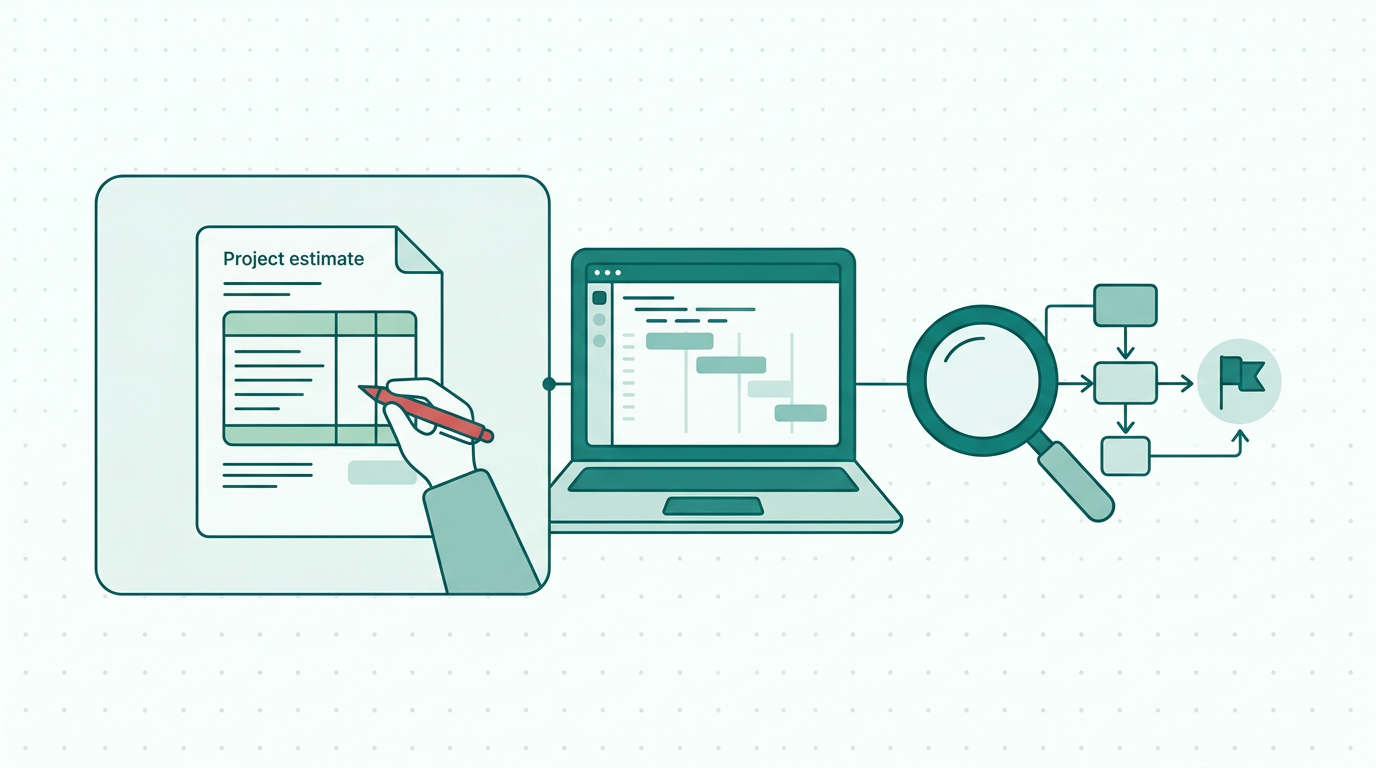
Learn how to effectively review a developer's estimate before approving work, ensuring clarity and alignment with your project goals.
Understanding developer estimates: The key to project success
In today's fast-paced digital landscape, organizations frequently rely on developers to bring their visions to life. However, before work commences, it is vital for managers and decision-makers to understand how to review a developer estimate before approving work. This review process is not merely a formality; it serves as a critical step in ensuring that project timelines, costs, and deliverables align with organizational goals.
A well-executed review can mitigate risks, prevent misunderstandings, and ultimately lead to more successful project outcomes. A successful review process not only aids in the accurate assessment of project requirements but also fosters a culture of transparency and accountability. When developers know their estimates will be carefully scrutinized, they are incentivized to provide realistic and comprehensive assessments.
This practice can help to create a more collaborative environment where stakeholders feel empowered to share their insights and concerns. PlanToValue offers solutions that streamline this process, enabling teams to manage incoming requests efficiently while ensuring clarity in estimates.
The Importance of Reviewing Developer Estimates
Reviewing developer estimates is crucial for several reasons. First, it helps to align expectations between stakeholders and developers. Miscommunication can lead to delays and added costs, derailing project timelines.
For example, if a developer estimates a project will take two weeks but the project manager assumes it will be completed in one week, this disconnect can set the stage for frustration and conflict. Second, thorough reviews allow for the identification of potential risks early in the development process. By assessing the estimate closely, managers can spot areas that may require additional resources or time, such as identifying dependencies that could introduce delays or recognizing the need for specific expertise that may not be readily available.
Furthermore, a comprehensive review helps to ensure that the project adheres to budget constraints. According to industry studies, projects that involve detailed reviews of estimates are less likely to experience cost overruns, highlighting the value of this practice. An effective review process not only protects the organization’s financial interests but also enhances the overall quality of the project outcomes.
PlanToValue assists organizations in managing these reviews by providing a structured approach to evaluating incoming requests, ensuring that estimates are both accurate and aligned with project objectives.
What to Look for in a Developer Estimate
When reviewing a developer estimate, there are several key components to consider. First, assess the scope of work outlined in the estimate. Does it clearly define what is included and excluded in the project?
A well-defined scope prevents misunderstandings later in the process. For instance, if the estimate includes the development of a mobile application but does not specify the platforms (iOS, Android), this could lead to disputes later on. Next, examine the timeline provided.
Is it realistic? Are there dependencies that could delay the project? It's essential to consider not only the length of the timeline but also the availability of resources and potential bottlenecks.
Additionally, evaluate the cost breakdown. Ensure that the estimate includes a detailed account of labor, materials, and any additional expenses. Transparency in pricing is essential for budget management.
Finally, consider the assumptions made by the developer. Are they reasonable? Understanding these assumptions provides insight into the developer's thought process and helps gauge the feasibility of the estimate.
For example, if the estimate assumes that certain third-party services will be available without issues, any unforeseen challenges with those services can impact the project's success. PlanToValue's platform can facilitate this review process by providing templates and guidelines for evaluating estimates systematically.
Engaging with Developers During the Review Process
Effective communication with developers is a cornerstone of the estimate review process. Managers should feel empowered to ask questions and seek clarifications about any part of the estimate that is unclear. This not only fosters a collaborative environment but also encourages transparency.
A collaborative approach helps to build trust and ensures that all parties are on the same page regarding expectations. For instance, if a timeline seems overly optimistic, discussing it openly can lead to adjustments that better reflect the project’s realities. Open discussions can also reveal underlying issues that may not be immediately apparent in the estimate, such as the need for additional features or changes in project scope that could affect timelines and budgets.
Additionally, documenting these discussions is essential for maintaining a record of decisions made during the estimate review process. By using PlanToValue, teams can facilitate these conversations effectively, ensuring that all discussions are captured and accessible for future reference. This documentation serves not only as a guide for the current project but also as a valuable resource for future estimates and reviews.
Common Pitfalls to Avoid During the Review
Despite the best intentions, pitfalls can occur during the review of developer estimates. One common mistake is rushing through the review process due to time constraints. This can result in overlooking critical details that may impact the project significantly.
It’s important to allocate sufficient time for the review process and to involve all relevant stakeholders to ensure a comprehensive evaluation. Another pitfall is failing to involve all relevant stakeholders in the review process. When only a select few individuals assess the estimate, important perspectives may be missed, leading to incomplete evaluations.
This could result in a lack of buy-in from key stakeholders, which can create issues later in the project. Additionally, some managers may hesitate to challenge the estimates provided by developers, fearing conflict. However, it is essential to approach the review with a critical eye while maintaining a collaborative spirit.
Encouraging an open dialogue can lead to better outcomes and improvements in the estimating process overall. Using PlanToValue, organizations can ensure that all stakeholders are informed and involved, helping to avoid these common pitfalls. By establishing a clear communication framework and encouraging input from all parties, organizations can enhance the quality of their reviews.
- Define the project scope clearly
- Assess the timeline for realism
- Evaluate the cost breakdown for transparency
- Clarify assumptions made by the developer
- Engage stakeholders throughout the process
- Allocate sufficient time for detailed reviews
- Encourage open communication and feedback
- Document discussions and decisions for future reference
Finalizing the Estimate Review and Approval Process
Once the review process is complete, it is vital to have a structured approach for finalizing and approving the developer estimate. This involves compiling all feedback and making necessary adjustments to the estimate before reaching a final agreement. It is also important to document the approval process, noting any changes made and the rationale behind them.
This documentation serves as a reference for both current and future projects, providing valuable insights into what worked well and what could be improved. Additionally, consider setting up a post-approval follow-up to monitor the project's progress against the estimates provided. This allows for early identification of any discrepancies and promotes accountability among developers.
Establishing clear metrics for success can help gauge the project's adherence to the initial estimates. PlanToValue provides tools for tracking progress and ensuring that all project aspects adhere to the approved estimates, enhancing overall project management. By creating a feedback loop, teams can continuously learn from each project, improving their estimating and review processes over time.
Maximizing Efficiency with PlanToValue
In conclusion, effectively reviewing a developer estimate before approving work is a vital process that can significantly influence project outcomes. By understanding the key elements of an estimate, engaging in meaningful discussions with developers, and avoiding common pitfalls, managers can ensure that their projects are set up for success. Having a structured approach in place not only leads to more accurate estimates but also fosters a culture of continuous improvement.
When teams regularly engage in thorough reviews, they build a repository of best practices that can be referenced in future projects, ultimately enhancing their overall capabilities. PlanToValue plays an essential role in facilitating this process, providing a structured framework for managing incoming requests and estimates. By leveraging these tools, organizations can bring order to their project management efforts, ultimately leading to more successful outcomes.
With PlanToValue, teams can streamline their workflows, ensuring that every estimate is reviewed thoroughly and aligned with their project goals, thereby setting the stage for successful project delivery.
Best Practices for Reviewing Developer Estimates
To optimize the estimate review process, organizations can adopt several best practices. First, establish a checklist for reviewing estimates that includes all key components such as scope, timeline, cost breakdown, and assumptions. This checklist can serve as a consistent reference for all project managers, ensuring that no critical elements are overlooked.
Second, implement regular training sessions for managers and stakeholders involved in the review process. These sessions can cover topics such as effective communication techniques, understanding technical jargon, and identifying red flags in estimates. Additionally, encourage cross-functional collaboration by involving team members from different departments in the review process.
This can lead to a more comprehensive assessment of the estimates and foster a greater sense of ownership among team members. Finally, create a feedback mechanism where team members can share their experiences and lessons learned from previous estimate reviews. This collaborative approach can help refine the review process and improve overall efficiency.
FAQ
Frequently Asked Questions (FAQs) About Developer Estimates
What is a developer estimate?
A developer estimate is a detailed breakdown of the expected time, resources, and costs required to complete a specific project or task. It serves as a guideline for budgeting and planning. A well-prepared estimate outlines the scope, timeline, and cost implications, enabling stakeholders to make informed decisions.
Why is it important to review developer estimates?
Reviewing developer estimates is important to align expectations, identify risks, manage budgets, and ensure clarity in project scope. This helps prevent misunderstandings and delays. A thorough review enhances communication between stakeholders and developers, leading to better project alignment and outcomes.
What should I do if I find discrepancies in the estimate?
If discrepancies are found, engage with the developer to discuss your concerns and seek clarifications. Document these discussions and consider adjusting the estimate based on the feedback. It's essential to maintain open communication to resolve any issues collaboratively.
How can PlanToValue assist in the estimate review process?
PlanToValue provides tools and templates for managing incoming requests and estimates, facilitating structured reviews and documentation, and ensuring that all stakeholders are involved in the process. By leveraging these resources, teams can streamline their estimate reviews, maintain consistency, and improve overall project management.
What are some common challenges faced during the estimate review process?
Common challenges include time constraints leading to rushed reviews, lack of stakeholder involvement, and communication barriers between developers and managers. To overcome these challenges, organizations can implement structured processes, encourage collaboration, and allocate adequate time for thorough reviews.