Prioritisation
Streamline Your Workflow with a Request Intake Form Template
16 October 2026 · 10 min read
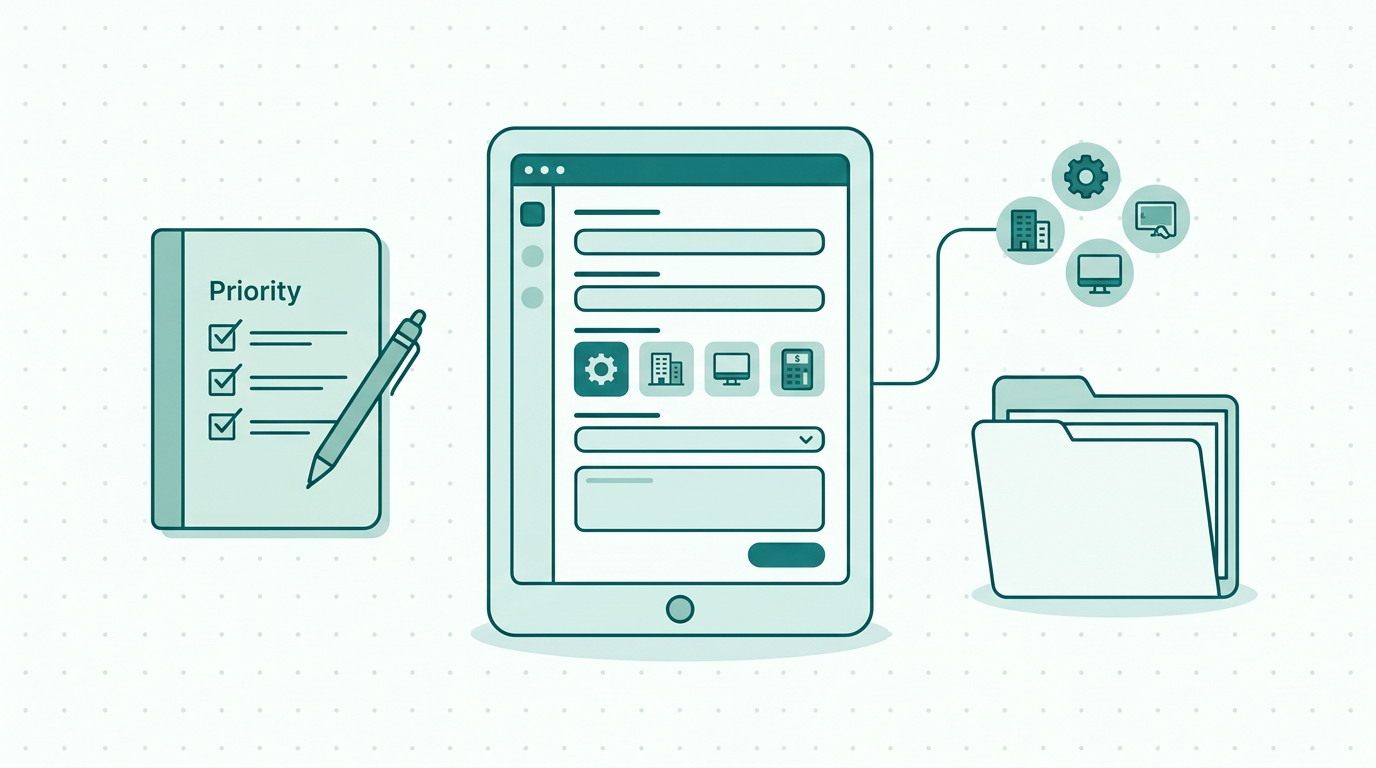
Discover how a request intake form template can streamline processes for internal teams. Enhance request handling and prioritization with effective solutions.
Why every internal team needs a request intake form template for internal teams
In today’s fast-paced work environment, internal teams often find themselves overwhelmed with incoming requests. Whether it’s marketing asking for content, IT needing system changes, or HR requiring new personnel, the influx of requests can lead to confusion and inefficiency. A well-structured request intake form template for internal teams can significantly streamline this process by providing a clear and consistent method for capturing necessary information.
This not only helps teams prioritize requests but also ensures that nothing slips through the cracks. By implementing a standardized template, organizations can improve communication, enhance transparency, and foster a more organized approach to handling requests across departments. The absence of such a form can lead to miscommunication, overlooked tasks, and a general sense of disorder.
Over time, the lack of a systematic approach can hinder project delivery and create frustration among team members. Thus, adopting a request intake form template is not just a procedural improvement; it is a strategic move towards efficiency.
Key Components of an Effective Request Intake Form
An effective request intake form should include several essential components to capture all the relevant information needed to evaluate and prioritize requests accurately. Firstly, it should have a section for the requester’s details, including their name, department, and contact information. This allows for easy follow-up and ensures accountability.
Secondly, the form should include a clear description of the request itself, outlining the need and the desired outcomes. It’s also beneficial to have fields for urgency and importance, which can help teams prioritize requests based on their impact on the organization. Furthermore, including a section for any attachments or supporting documents can facilitate a better understanding of the request and speed up the decision-making process.
It's essential to ensure that the form is designed to capture both qualitative and quantitative data, as this information will be crucial for informed decision-making. Additionally, having a timeline or deadline field can clarify expectations and help prioritize requests based on urgency. The inclusion of a feedback field for requesters can also provide valuable insights into the effectiveness of the process.
- Requester Name
- Department
- Contact Information
- Request Description
- Urgency Level
- Attachments
- Desired Outcome
- Timeline or Deadline
- Feedback Section
How a Request Intake Form Streamlines Decision-Making
A clear request intake form serves as a critical tool for decision-making within internal teams. By standardizing the information collected, it allows managers and decision-makers to quickly assess the work at hand. For example, when all requests are documented uniformly, it becomes easier to compare and contrast the importance and urgency of each item.
This standardized approach enables teams to prioritize requests efficiently, ensuring that high-impact tasks receive the attention they deserve. Furthermore, a well-structured form can reduce the time spent on clarifying details with requesters, as all necessary information is gathered upfront, leading to faster decision-making and ultimately smoother operations. Additionally, having a clear framework for requests can facilitate collaborative discussions among team members.
When everyone is equipped with the same information, it fosters a more inclusive decision-making environment where all voices can contribute to the conversation, potentially leading to more innovative solutions. The overall outcome is a more agile and responsive team that is better equipped to adapt to changes and challenges.
Implementing a Request Intake Form with PlanToValue
PlanToValue offers a practical solution for organizations looking to streamline their request intake process. With its user-friendly interface, PlanToValue allows internal teams to create customized request intake forms that align with their specific needs. Teams can easily input essential fields, set priorities, and track incoming requests in real-time.
Moreover, the platform provides valuable insights through analytics, helping teams understand workload trends and optimize their capacity. By utilizing PlanToValue, organizations can ensure that every request is captured systematically, leading to improved organization, prioritization, and delivery of projects. The customizable features mean that teams can adapt the form as necessary, reflecting changes in organizational needs or project priorities.
Additionally, PlanToValue integrates well with other tools and systems, enabling seamless workflow transitions and enhancing overall efficiency. The analytics provided by PlanToValue also go beyond mere tracking; they can be used to identify bottlenecks in the process and areas for improvement, thus fostering a culture of continuous enhancement.
Best Practices for Using a Request Intake Form
To maximize the effectiveness of a request intake form, teams should adhere to several best practices. Firstly, it is vital to keep the form simple and user-friendly. Overly complex forms can deter requesters from submitting their needs, leading to missed opportunities.
A streamlined approach encourages higher submission rates and reduces the likelihood of errors in the information provided. Secondly, regular training sessions should be conducted to ensure all team members understand how to use the form effectively. This includes knowing how to fill it out correctly and understanding the importance of providing comprehensive information.
Moreover, teams should regularly review and update the form to ensure it remains relevant and efficient as organizational needs evolve. This could involve gathering feedback from users to identify any recurring issues or challenges faced during the request submission process. Additionally, promoting a culture of openness where team members feel comfortable discussing their experiences with the form can lead to innovative improvements.
Finally, establishing a clear communication channel for follow-ups can enhance the overall experience for requesters.
Evaluating the Effectiveness of Your Request Intake Process
After implementing a request intake form, it’s important to evaluate its effectiveness regularly. This can be achieved by analyzing key performance indicators such as the average time taken to process requests, the number of requests received, and user satisfaction. Feedback from both requesters and team members can provide valuable insights into how well the process is working.
If issues arise, adjustments can be made to the form or the process to enhance efficiency. For teams utilizing PlanToValue, the platform’s analytics features can help track these metrics effectively, offering a clear view of how well the intake process is functioning and where improvements can be made. Furthermore, conducting surveys or interviews with users can yield qualitative data that metrics alone may not capture.
This holistic approach to evaluation ensures that the request intake process is not only efficient but also meets the needs of all stakeholders involved. Regularly revisiting the goals of the request intake process can also help ensure that it aligns with broader organizational objectives.
Next Steps for Streamlining Your Request Process
In conclusion, adopting a request intake form template is a crucial step for internal teams aiming to enhance their workflow. By clearly defining the information required for requests, teams can improve organization, prioritize effectively, and make informed decisions. For organizations looking for a comprehensive solution, PlanToValue offers a platform that not only simplifies the creation of request intake forms but also enhances the entire process of handling incoming requests.
Teams can focus on what truly matters while ensuring that all requests are managed with the utmost efficiency. It’s also recommended to set a timeline for reviewing and optimizing the form and process, ensuring that teams remain agile and responsive to changing circumstances. By taking these proactive steps, organizations can significantly enhance their operational efficiency, leading to better project outcomes and a more engaged workforce.
Common Challenges in Request Intake and How to Overcome Them
Despite the advantages of a request intake form, organizations may face several challenges during its implementation and use. One common issue is resistance from team members who may be accustomed to informal request processes. To overcome this, it is important to communicate the benefits of a standardized approach clearly.
Highlighting case studies or examples of how other teams have improved their efficiency can motivate buy-in. Another challenge is the potential for requests to become bottlenecked if the form is not monitored closely. To mitigate this risk, establishing clear ownership of the intake process can help ensure that requests are triaged and addressed promptly.
Furthermore, organizations may struggle with the volume of requests, leading to overwhelmed teams. Implementing an automated system, such as that offered by PlanToValue, can facilitate better organization and prioritization, alleviating some of the pressure on team members. Regular check-ins and team meetings can also help maintain awareness of the request status and encourage collaboration.
Tips for Training Team Members on Request Intake Forms
Training is crucial for the successful adoption of request intake forms. To ensure that all team members are comfortable using the form, consider conducting a series of training sessions tailored to different stakeholder needs. Start with introductory sessions that cover the basics of the form and its purpose.
Follow up with more in-depth workshops focusing on specific use cases and scenarios encountered by team members. Providing a comprehensive user guide that includes examples can also serve as a valuable reference tool. Additionally, consider implementing a mentoring system where more experienced team members can assist newer colleagues in navigating the process.
Regular refresher courses can also be beneficial, especially when updates or changes to the form occur. Encouraging an open-door policy for questions and feedback can create a supportive environment, making it easier for team members to voice concerns or share suggestions for improvement.
FAQ
Frequently asked questions
What is a request intake form?
A request intake form is a standardized document used by teams to capture essential information about incoming requests. It helps streamline processes and ensures that all necessary details are collected for effective evaluation and prioritization. This form acts as the first step in a structured workflow, allowing teams to categorize and respond to requests based on predefined criteria.
How can a request intake form improve communication?
By standardizing the information collected, a request intake form promotes clarity and transparency in communication. It ensures that all team members have access to the same information, reducing misunderstandings and allowing for more effective collaboration. Furthermore, it serves as a centralized repository for requests, making it easier to track the status and history of requests, fostering a culture of accountability.
Can a request intake form be customized?
Yes, a request intake form can be customized to fit the specific needs of your organization. This includes adding or removing fields, adjusting the layout, and incorporating branding elements to align with your company’s identity. Customization ensures that the form captures all relevant data that is unique to your team's processes and enhances user experience.
How does PlanToValue assist with request intake?
PlanToValue provides a user-friendly platform that allows teams to create and manage request intake forms easily. It offers features for tracking requests, setting priorities, and analyzing performance metrics, making the entire process more efficient. Furthermore, PlanToValue's analytics tools enable teams to derive insights from the data collected, facilitating informed decision-making and continuous improvement in the request intake process.