Prioritisation
Essential Post-Release Verification Checklist for Small Teams
9 November 2026 · 8 min read
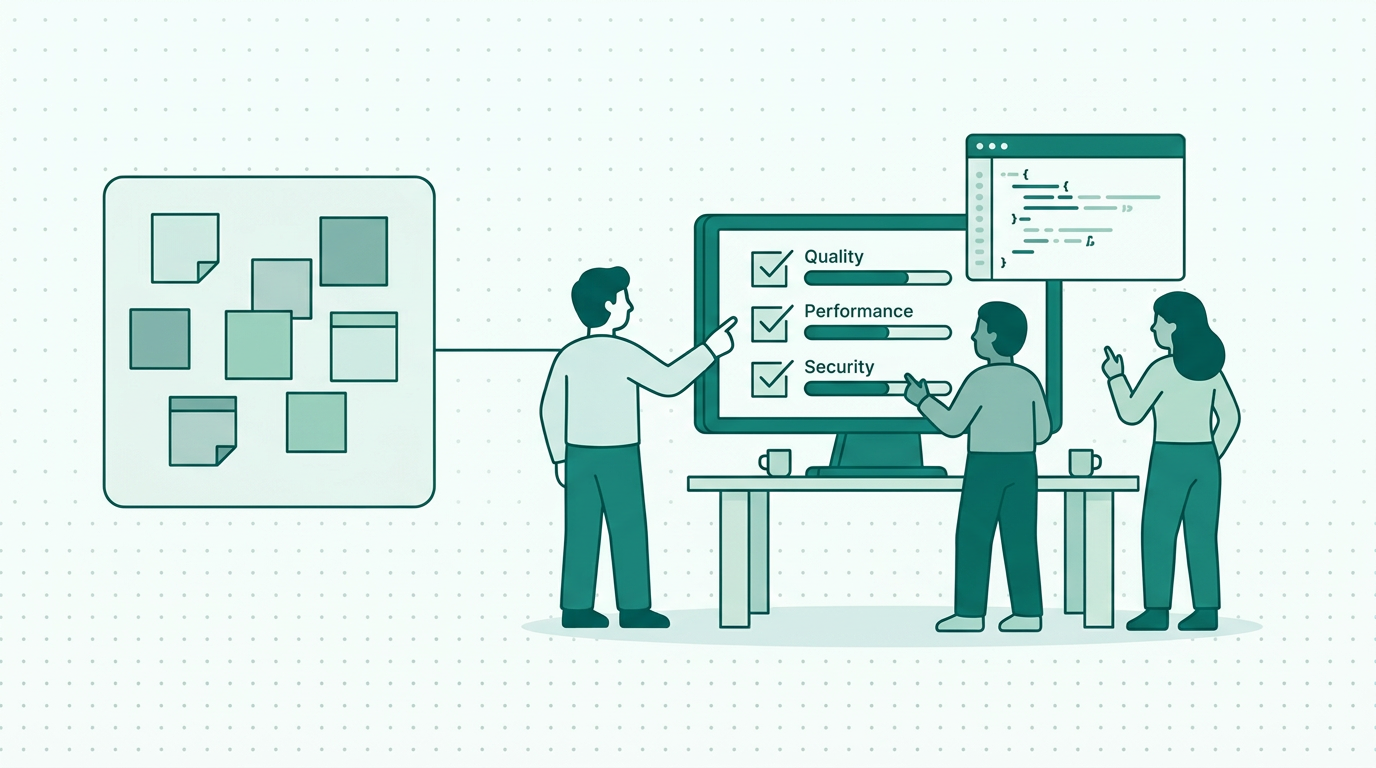
Discover a comprehensive post-release verification checklist designed for small teams to ensure successful project delivery.
Why post-release verification is crucial for small teams
In the fast-paced world of software development, small teams often face unique challenges, particularly when it comes to managing project releases. A successful release not only requires careful planning and execution but also a robust post-release verification checklist for small teams to ensure that everything functions as intended. Post-release verification serves as the critical last step in the development cycle, ensuring that all aspects of the project meet the required standards before going live.
This process is vital because it acts as a safety net that validates the quality and functionality of the software, allowing teams to catch any discrepancies or defects before they reach the end-users. Failing to implement a thorough verification process can lead to significant setbacks, including user dissatisfaction, increased costs, and a tarnished reputation. For small teams, where resources may be limited, the impact of these issues can be even more pronounced.
By adhering to a structured checklist, small teams can mitigate risks, enhance product quality, and improve overall project outcomes. This article will provide a detailed overview of essential items to include in a post-release verification checklist tailored for small teams, emphasizing the importance of a systematic approach to quality assurance.
Key Elements of a Post-Release Verification Checklist
Creating an effective post-release verification checklist involves identifying key elements that ensure comprehensive evaluation of the released product. The checklist should cover various domains, including functionality, performance, security, and user experience. Each of these domains plays a critical role in the overall quality of the product and influences how users interact with it.
By systematically addressing these areas, small teams can confidently validate that their releases meet both internal and external expectations. Additionally, incorporating metrics and criteria for each checklist item can help teams assess their performance quantitatively. Here are essential components to consider: functionality testing, performance evaluation, security assessments, usability testing, and feedback collection.
Functionality testing ensures that all features work as intended, while performance evaluation assesses loading speed and responsiveness to ensure a seamless experience for users. Security assessments are crucial for identifying vulnerabilities and ensuring compliance with industry standards. Usability testing involves gathering user feedback on the interface and overall experience, providing insights into potential improvements.
Lastly, feedback collection is vital for implementing systems that allow for ongoing user input, enabling continuous refinement of the product. Each item on this checklist plays a vital role in ensuring that the product delivers value to its users while minimizing the likelihood of post-release issues.
- Functionality Testing: Verify that all features work as intended, including edge cases and uncommon user scenarios.
- Performance Evaluation: Assess loading speed and responsiveness under different conditions, including peak usage times.
- Security Assessments: Check for vulnerabilities and compliance with data protection regulations, such as GDPR.
- Usability Testing: Gather user feedback on interface design, accessibility, and overall user experience.
- Feedback Collection: Implement systems for ongoing user input, such as surveys or feedback forms, to capture user sentiment.
Implementing the Post-Release Verification Checklist
Implementing a post-release verification checklist involves collaboration and communication among team members, as this is key to ensuring that all aspects of the product are thoroughly reviewed. Small teams can benefit from scheduling a dedicated review meeting where all stakeholders come together to discuss the checklist items. This meeting can facilitate knowledge sharing, allowing team members to highlight specific concerns or insights based on their areas of expertise.
Furthermore, it's essential to assign specific roles and responsibilities to team members during the verification process to ensure accountability. For instance, one team member may be responsible for security assessments while another focuses on performance evaluation. Additionally, leveraging tools like PlanToValue can enhance this process by providing a streamlined platform for managing incoming requests, tracking verification tasks, and prioritizing issues that arise during the verification phase.
By using such tools, teams can ensure that nothing falls through the cracks and that each item on the checklist is addressed thoroughly. Regular follow-ups on the status of each checklist item can also promote a culture of accountability and continuous improvement within the team.
Common Pitfalls to Avoid During Verification
During the post-release verification process, small teams may encounter several pitfalls that can hinder the effectiveness of their checklist. One common issue is rushing through the verification steps due to time constraints. While small teams often operate on tight schedules, hurrying through verification can lead to oversights and ultimately affect product quality.
It is crucial to allocate sufficient time for each step of the verification process to ensure a comprehensive evaluation. Another pitfall is the lack of clear documentation, which can make it challenging to trace issues back to their source. Failing to maintain a well-documented verification process can lead to repeated mistakes in future releases.
Additionally, not involving diverse team members in the verification process can result in a narrow perspective, missing critical insights from different areas of expertise. To overcome these challenges, it is essential to allocate sufficient time for verification, maintain detailed documentation, and encourage input from all team members. Conducting retrospective meetings after each release can also help teams learn from their experiences and refine their verification processes for future projects.
Doing so will enhance the robustness of the verification process and foster a culture of quality within the team.
Benefits of a Structured Post-Release Verification Process
A structured post-release verification process offers numerous benefits for small teams, significantly enhancing their overall workflow and product quality. Firstly, it significantly reduces the risk of defects and issues surfacing after the product has been deployed, leading to a smoother user experience. This proactive approach not only minimizes post-release challenges but also builds trust with users, as they can rely on the product's stability.
Secondly, it fosters accountability, as each team member plays a role in ensuring that the product meets established criteria. This sense of ownership can lead to increased motivation and job satisfaction among team members. Furthermore, a well-implemented verification process enhances team collaboration and communication, promoting a shared understanding of project goals and the importance of quality.
Teams that utilize tools like PlanToValue can streamline their verification processes, ensuring that every aspect of the product is thoroughly evaluated and aligned with user expectations. The integration of feedback loops and continuous improvement practices also contributes to the long-term success of the product. Ultimately, a thorough verification process not only boosts the quality of the product but also enhances the team’s credibility with stakeholders and users alike, contributing to a positive reputation in the competitive software market.
Next Steps for Small Teams
For small teams looking to improve their post-release verification process, the first step is to create a tailored checklist that incorporates the essential elements discussed. Following this, teams should establish a routine for conducting verification reviews after each release. These reviews should be documented to ensure lessons learned can be applied to future projects.
Furthermore, teams may consider adopting tools that facilitate tracking and prioritization of verification tasks, such as PlanToValue, which enhances transparency and accountability. Training sessions on best practices for verification can also be beneficial, equipping team members with the necessary skills and knowledge to conduct effective evaluations. By fostering a culture of quality and continuous improvement, small teams can significantly enhance their post-release processes and deliver high-quality products consistently.
As they implement these changes, it's important to remain flexible and adaptable, continuously refining their checklist and processes based on user feedback and project outcomes.
FAQ
Frequently Asked Questions about Post-Release Verification
What is the purpose of post-release verification?
Post-release verification aims to ensure that a product meets all functional, performance, and security requirements before it is released to users. It helps identify any defects that may lead to user dissatisfaction or operational issues. This step not only confirms the product's readiness for deployment but also provides an opportunity to make final adjustments based on testing results and user feedback.
How often should small teams conduct post-release verification?
Small teams should conduct post-release verification for every release. This ensures that each product iteration is thoroughly evaluated, maintaining a consistent quality standard. Additionally, teams should consider conducting smaller, interim verifications during the development process, especially after significant updates or changes, to catch issues early and reduce the workload during the final verification phase.
What tools can assist with post-release verification?
Tools like PlanToValue can assist in managing verification tasks, tracking progress, and prioritizing issues. These tools promote collaboration and transparency within the team, allowing for real-time updates and communication. Other tools that can be beneficial include bug tracking software, performance testing tools, and user feedback platforms. By utilizing these resources, teams can streamline their verification processes and enhance overall product quality.
What are the consequences of skipping post-release verification?
Skipping post-release verification can result in undetected defects, leading to user dissatisfaction, increased costs for fixes, and potential damage to the organization's reputation. It may also lead to a lack of confidence among team members and stakeholders in the development process. In the long run, neglecting verification can result in higher maintenance costs and reduced user retention, emphasizing the need to prioritize verification in the software development cycle.