Prioritisation
Streamlining the IT Request Intake Process for Small Businesses
10 November 2026 · 10 min read
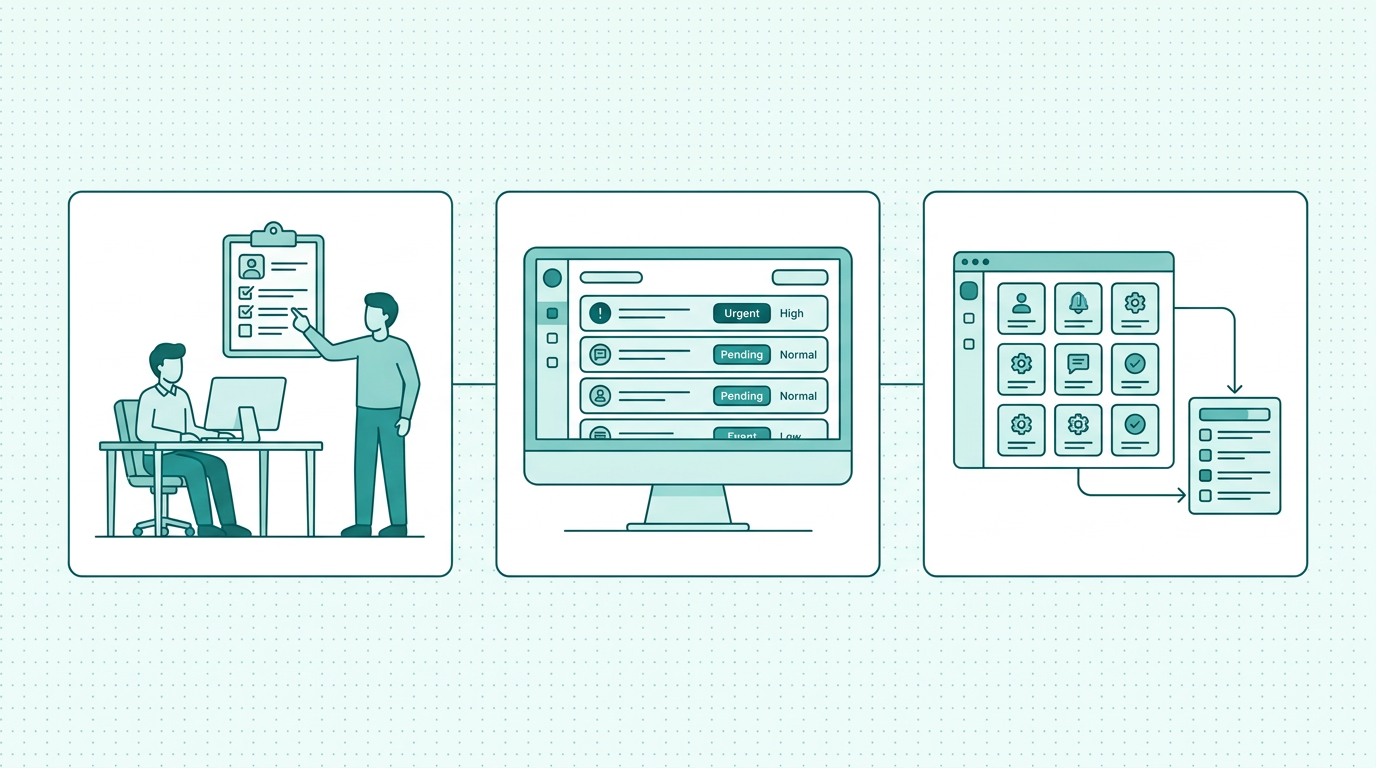
Learn how to streamline your IT request intake process in small businesses to improve efficiency and prioritize effectively.
Understanding the it request intake process for small business
The it request intake process for small business is crucial for enhancing operational efficiency. This process involves managing requests for IT services, ensuring that each request is recorded, assessed, prioritized, and fulfilled in a timely manner. For smaller organizations, where resources are often limited, having a structured approach to handle incoming IT requests can significantly impact productivity and overall employee satisfaction.
A disorganized intake process can lead to misunderstandings, delays, and frustration, not only for IT teams but also for the entire organization. Therefore, establishing an effective IT request intake process is essential for small businesses to navigate the complexities of IT service management. By implementing a clear and organized system, businesses can ensure that IT resources are utilized effectively, thus maximizing the return on investment in technology.
Key Steps in the IT Request Intake Process
The first step in an effective IT request intake process is request submission. Employees should be able to easily submit their IT requests through a user-friendly platform or tool. This could be a dedicated IT service management software or a simple online form that captures essential details such as the nature of the request, urgency, and any relevant information.
Once a request is submitted, it should be logged into a tracking system, allowing IT teams to monitor all incoming requests. The next step involves assessing the requests based on predefined criteria such as urgency, impact, and resources required. By categorizing requests, IT teams can prioritize them accordingly and allocate resources efficiently.
This structured approach ensures that high-priority requests receive immediate attention while less critical ones are addressed in due course. Furthermore, having a systematic tracking mechanism allows IT teams to provide timely updates to employees, ensuring transparency and trust in the process.
Challenges Small Businesses Face in IT Request Management
Small businesses often encounter unique challenges in managing IT requests. Limited resources and personnel can lead to bottlenecks in addressing requests promptly. Additionally, the lack of a standardized process can result in inconsistent handling of requests, which may cause frustration among employees.
Furthermore, without an efficient tracking and prioritization system, high-priority issues may be overlooked, leading to potential downtime or operational disruption. The integration of tools like PlanToValue can help mitigate these challenges by providing a structured framework for managing incoming requests, ensuring that nothing falls through the cracks. Moreover, small businesses may struggle with inadequate documentation of requests and resolutions, which can hinder knowledge sharing and continual improvement.
Therefore, addressing these challenges through a well-defined process and suitable tools is critical for small organizations to maintain smooth operations.
Implementing an Effective IT Request Intake System
To implement an effective IT request intake system, small businesses should begin by identifying the tools and platforms that best suit their needs. Investing in a dedicated IT service management tool can streamline the request submission process, enabling employees to submit their requests through a centralized platform. Once a tool is in place, it is vital to establish clear communication channels.
Employees should be educated on how to submit requests properly and what information is necessary for IT teams to address their needs efficiently. Additionally, defining clear roles and responsibilities within the IT team can enhance accountability and ensure that requests are managed effectively. Training sessions can also be beneficial, allowing IT staff to familiarize themselves with the tools and processes in place.
Ultimately, a proactive approach to system implementation can lead to a more organized and responsive IT department, capable of meeting the evolving needs of the business.
Prioritization Criteria for IT Requests
Establishing prioritization criteria is a fundamental aspect of the IT request intake process. Small businesses should consider factors such as urgency, impact on business operations, and available resources when determining the priority of incoming requests. High-impact requests that affect multiple employees or critical business functions should be given precedence over lower-priority issues.
Additionally, incorporating feedback from employees regarding the urgency of their requests can provide valuable insights for IT teams. PlanToValue can assist small businesses in creating a robust prioritization framework that aligns with their specific needs, ensuring that resources are allocated where they are most needed. It is also beneficial to regularly review and adjust these criteria based on changing business priorities and technological advancements.
Utilizing a scoring system or a matrix can facilitate this process, allowing IT teams to make informed decisions on which requests to tackle first while keeping in mind the overall business strategy.
Tracking and Reporting on IT Requests
Tracking and reporting on IT requests is vital for continuous improvement. Small businesses should establish metrics to evaluate the effectiveness of their IT request intake process, such as average response time, resolution time, and employee satisfaction. Regularly analyzing these metrics allows IT teams to identify areas for improvement and adjust their processes accordingly.
Furthermore, transparent reporting can enhance communication between IT teams and other departments, fostering a collaborative environment where everyone understands the status of their requests. Tools like PlanToValue provide comprehensive reporting features that can help businesses track their IT requests and generate insights for better decision-making. Establishing a feedback loop by soliciting input from employees about their experiences can further enhance the process, allowing businesses to adapt and evolve their IT request management strategies to better serve their workforce.
Best Practices for IT Request Intake
To optimize the IT request intake process, small businesses should adopt several best practices. First, maintaining a user-friendly submission platform is crucial to encourage employees to submit requests without hesitation. Second, regular training sessions for IT staff can enhance their skills in managing requests effectively.
Third, creating a knowledge base or FAQ section can empower employees to resolve common issues independently, reducing the volume of requests that reach the IT team. Fourth, fostering a culture of open communication between IT and other departments can lead to better understanding and collaboration. By hosting regular meetings or updates, businesses can ensure that all teams are aligned on priorities and processes.
Lastly, utilizing tools like PlanToValue can streamline the entire intake process, ensuring that requests are managed efficiently from submission to resolution. Additional measures, such as incentivizing prompt request submissions or providing recognition for quick resolutions, can also encourage a more engaged and proactive workforce.
The Role of Technology in IT Request Management
Technology plays a pivotal role in enhancing the efficiency of the IT request intake process. By leveraging automation, small businesses can reduce manual tasks that often slow down response times. For instance, automated notifications can alert IT staff when a new request is submitted, ensuring immediate acknowledgment and reducing the chances of oversight.
Moreover, integrations with other organizational tools can streamline communication and data sharing, making it easier for IT teams to access the information they need to address requests swiftly. Additionally, utilizing analytics tools can provide deeper insights into request patterns, helping businesses anticipate future needs and allocate resources accordingly. Embracing cloud-based solutions can also enhance flexibility, allowing IT teams to manage requests from anywhere, which is particularly beneficial for remote or hybrid work environments.
Therefore, investing in the right technology not only improves the request intake process but also contributes to a more agile and responsive IT department.
Future Trends in IT Request Management
As small businesses continue to evolve, so too will the landscape of IT request management. One notable trend is the rise of artificial intelligence (AI) and machine learning technologies, which are increasingly being integrated into IT service management tools. These technologies can assist in automating routine inquiries, providing quick responses to common requests, and even predicting service outages before they impact users.
Furthermore, the emphasis on user experience is likely to grow, with organizations focusing on creating intuitive platforms that enhance the ease of request submission for employees. Additionally, the trend toward remote work is expected to keep influencing IT request intake processes, necessitating tools that support remote collaboration and communication. Lastly, the integration of feedback mechanisms within IT service tools will become increasingly important, providing businesses with the insights needed to refine their processes continuously.
By staying ahead of these trends, small businesses can ensure their IT request management processes remain effective and relevant.
Conclusion: Streamlining Your IT Request Intake Process
In conclusion, establishing a streamlined IT request intake process is essential for small businesses to enhance their operational efficiency. By implementing structured steps for request submission, assessment, and prioritization, organizations can ensure that IT resources are allocated effectively. Overcoming challenges such as limited resources and lack of standardization requires the integration of the right tools and practices.
PlanToValue serves as a valuable ally in this endeavor, offering a platform that simplifies the management of incoming requests. By following best practices and utilizing effective tools, small businesses can create a responsive IT support system that meets the needs of their employees while driving overall business success. Moreover, by remaining adaptable to new technologies and trends, small organizations can position themselves to respond effectively to future challenges and opportunities in IT service management.
- Define clear submission guidelines for IT requests.
- Use a centralized platform for tracking requests.
- Establish prioritization criteria based on urgency and impact.
- Implement regular training for IT staff.
- Analyze metrics for continuous improvement.
- Leverage automation to streamline processes.
- Integrate feedback mechanisms for continual enhancement.
- Stay updated on future trends in IT management.
FAQ
Frequently asked questions
What is the purpose of an IT request intake process?
The IT request intake process helps manage and streamline incoming IT requests, ensuring they are assessed, prioritized, and fulfilled efficiently. It enables businesses to allocate resources effectively and enhance employee satisfaction. This structured process minimizes confusion and maximizes productivity within the organization.
How can small businesses benefit from a structured IT request process?
A structured IT request process allows small businesses to manage requests systematically, reducing delays and improving response times. It ensures that high-priority requests are addressed promptly, contributing to better operational efficiency. Additionally, it fosters a culture of accountability and transparency within the organization, leading to higher employee morale.
What tools can assist in managing IT requests?
Various tools are available to assist in managing IT requests, including dedicated IT service management software. PlanToValue is an example of a platform that helps small businesses streamline their incoming requests and manage them effectively. Additionally, project management tools and collaboration platforms can enhance communication and tracking.
What are common challenges in IT request management for small businesses?
Common challenges include limited resources, lack of a standardized process, and difficulties in tracking and prioritizing requests. These challenges can lead to delays and frustration among employees, highlighting the need for effective solutions. Furthermore, inadequate documentation can hinder knowledge sharing and continuous improvement efforts.