Prioritisation
Understanding the Impact Effort Matrix for IT Requests
27 October 2026 · 10 min read
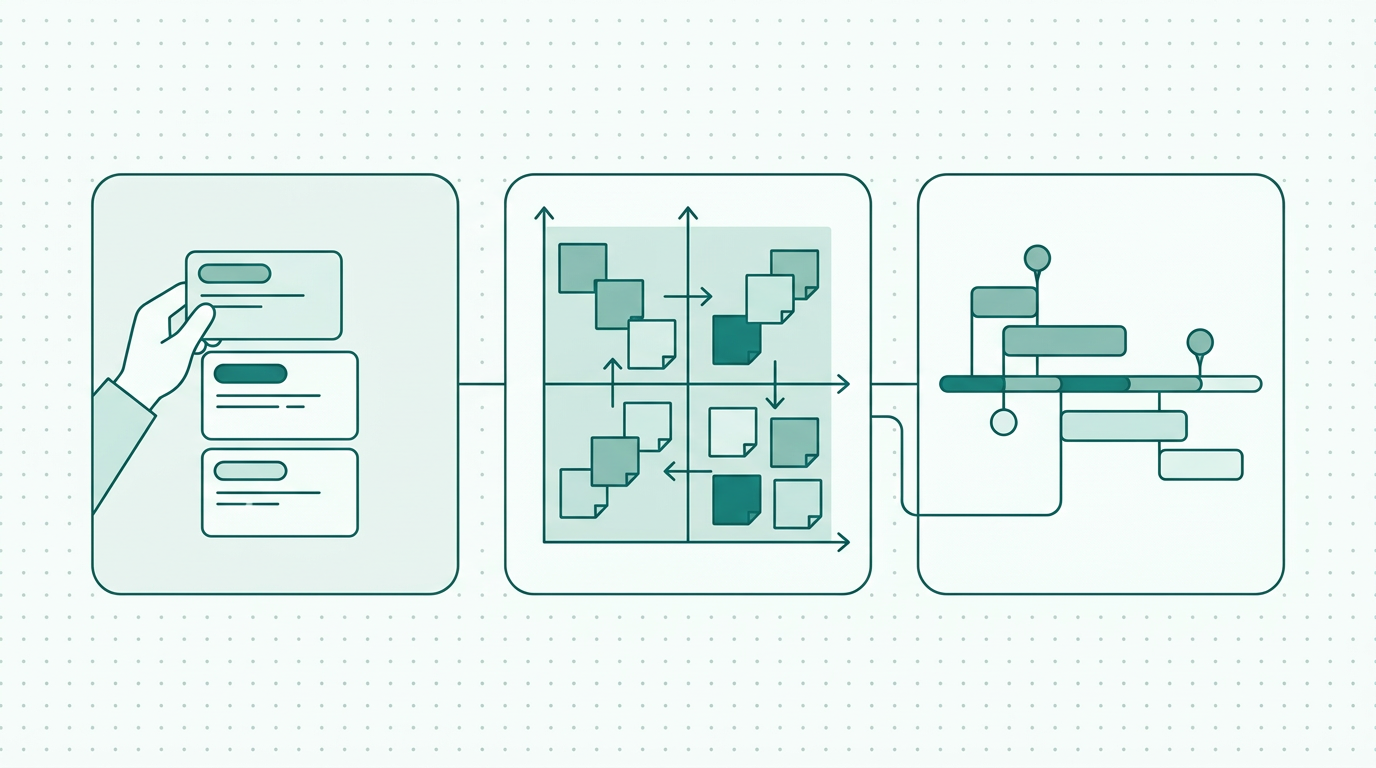
Learn how to use the Impact Effort Matrix for IT requests to prioritize projects effectively, ensuring optimal resource allocation and decision-making.
How the Impact Effort Matrix Can Transform Your IT Request Process
In today's fast-paced business environment, organizations are inundated with incoming IT requests, ranging from software updates to new system implementations. The challenge lies not only in managing these requests but also in prioritizing them effectively. An impact effort matrix example for IT requests emerges as a powerful tool to help managers and decision-makers navigate this complexity.
By categorizing requests based on their potential impact and the effort required to implement them, teams can make informed decisions about which projects to pursue first. This structured approach not only streamlines the request handling process but also ensures that valuable resources are allocated to initiatives that deliver the highest return on investment. Furthermore, implementing this matrix fosters a culture of data-driven decision-making, where every request is analyzed through a lens of strategic importance, making it easier for organizations to align their IT efforts with overall business objectives.
What is the Impact Effort Matrix?
The Impact Effort Matrix is a visual representation that helps teams assess the potential value of various projects against the effort required to execute them. Typically, the matrix is divided into four quadrants: Quick Wins, Major Projects, Fill Ins, and Time Wasters. Each quadrant represents a different category of requests, allowing teams to prioritize their workload effectively.
Quick Wins are initiatives that require minimal effort but offer significant impact, making them ideal for immediate execution. Major Projects, on the other hand, may require substantial resources and time but promise high returns. Fill Ins represent tasks that are easy to complete but have low impact, while Time Wasters are projects that require significant effort with little to no benefit.
This categorization not only helps in prioritization but also aids in resource allocation, ensuring that teams are not bogged down by low-value tasks. By utilizing this matrix, organizations can ensure that their IT requests align with strategic goals and deliver tangible results. The visual nature of the matrix also aids in communication, making it easier to convey priorities to stakeholders who may be less familiar with technical details.
How to Create an Impact Effort Matrix for IT Requests
Creating an Impact Effort Matrix for IT requests begins with gathering all incoming project proposals and requests. The next step involves evaluating each request based on two primary criteria: the potential impact on the organization and the effort required for implementation. Impact can be assessed in terms of how the request aligns with business objectives, the potential cost savings, or the improvements in operational efficiency it may bring.
Effort, on the other hand, can be measured in terms of time, resources, and costs required to complete the request. It is essential to involve cross-functional teams in this evaluation process, as different perspectives can yield a more comprehensive understanding of each request's implications. Once the evaluation is complete, place each request in the appropriate quadrant of the matrix.
This visual representation will serve as a guide for prioritization, helping teams focus on Quick Wins and Major Projects while managing Fill Ins and avoiding Time Wasters. Regular meetings should be scheduled to revisit this matrix, ensuring that it remains relevant and reflective of the organization's current priorities and resource availability.
Benefits of Using the Impact Effort Matrix
Utilizing the Impact Effort Matrix for IT requests offers numerous benefits for organizations. Firstly, it enhances decision-making by providing a clear visual representation of project priorities. This clarity enables managers to allocate resources more efficiently, ensuring that high-impact initiatives receive the attention they deserve.
Secondly, it fosters transparency and accountability within teams, as everyone understands the rationale behind prioritization decisions. This transparency is crucial for encouraging collaboration among team members and stakeholders. Moreover, the matrix aids in managing stakeholder expectations by clearly communicating which requests are being prioritized and why.
This can mitigate frustration among team members who may feel their requests are not being heard. Lastly, by focusing on Quick Wins, organizations can generate immediate results, building momentum and buy-in for future initiatives. It also allows organizations to celebrate small victories, which can boost morale and motivate teams to tackle more complex projects.
Overall, the Impact Effort Matrix serves as a bridge between strategic planning and day-to-day operations, ensuring that IT efforts contribute effectively to organizational success.
Integrating PlanToValue with the Impact Effort Matrix
Implementing the Impact Effort Matrix can be simplified with tools like PlanToValue. This platform assists smaller organizations in managing incoming requests effectively, from submission through prioritization to verified delivery. By integrating PlanToValue into your process, you can streamline the evaluation of requests and visualize them in the Impact Effort Matrix.
The platform allows teams to input requests, assess their impact and effort, and categorize them accordingly. This structured approach enhances decision-making and ensures that your organization focuses on the right initiatives at the right time. Furthermore, PlanToValue provides analytics and reporting features that allow teams to monitor progress, assess the effectiveness of their prioritization decisions, and make informed adjustments as necessary.
By using such tools, organizations can eliminate manual tracking processes that are often time-consuming and error-prone, thereby increasing efficiency and accuracy in request management. With PlanToValue, you gain the necessary insights to optimize your IT request management process and drive meaningful outcomes, ensuring that IT resources are used effectively and aligned with business objectives.
Key Considerations When Using the Impact Effort Matrix
While the Impact Effort Matrix is a robust tool for prioritizing IT requests, certain considerations should be taken into account to maximize its effectiveness. First, ensure that all stakeholders involved in the evaluation process are aligned on the criteria for assessing impact and effort. This alignment is crucial for maintaining consistency in decision-making.
It may be beneficial to establish a set of guidelines or a scoring system that all team members can refer to during evaluations. Second, regularly review and update the matrix to reflect changes in organizational priorities or resource availability. The dynamic nature of IT requests necessitates that the matrix remains a living document that adapts to evolving business needs.
Additionally, consider the broader context of each request, including how it fits within the organization’s strategic goals and existing resources. This holistic view can help identify synergies between different projects. Finally, foster a culture of continuous improvement by encouraging feedback and learning from past prioritization decisions.
Conducting retrospective meetings can provide valuable insights into what worked well and what could be improved, allowing teams to refine their processes for future evaluations.
Real-World Example of Using the Impact Effort Matrix
To illustrate the practical application of the Impact Effort Matrix, let's consider a hypothetical example involving a mid-sized company facing various IT requests. The company has received proposals for a new customer relationship management (CRM) system, a software upgrade for existing tools, and a minor bug fix in its current software. By evaluating these requests, the team assesses the CRM system as a Major Project due to its high impact on sales and customer engagement but recognizes the substantial resources needed.
The software upgrade is categorized as a Quick Win, as it requires minimal effort and can significantly improve productivity. Meanwhile, the bug fix is classified as a Fill In, offering low impact and requiring only minor attention. This example demonstrates how the Impact Effort Matrix helps prioritize requests effectively, ensuring that the team focuses on initiatives that align with business goals.
Moreover, the prioritization process can lead to improved communication with stakeholders, as the rationale behind the prioritization is transparent and easily understood. The team can then allocate resources accordingly, ensuring that the most critical initiatives receive the necessary support while also addressing less urgent requests in a timely manner.
Taking the Next Step with the Impact Effort Matrix
Implementing an Impact Effort Matrix within your organization can significantly enhance how you manage IT requests. By assessing each initiative's potential impact and required effort, you can prioritize projects that yield the highest value. It is essential to foster a culture of collaboration and regular feedback to ensure the matrix remains a relevant and effective tool.
Using PlanToValue can further streamline your processes, providing a structured approach to managing incoming requests, allowing you to visualize priorities, and ultimately driving better decision-making across your organization. Encourage teams to share their experiences and insights related to the matrix, as this collaboration can lead to better understanding and improved processes over time. Additionally, consider conducting training sessions on utilizing the Impact Effort Matrix to ensure that all team members are equipped with the necessary skills to evaluate requests effectively.
This proactive approach not only ensures that your organization can respond to IT requests efficiently but also positions you to adapt to future challenges as they arise.
New Trends in IT Request Management
As organizations increasingly rely on technology to drive their operations, new trends in IT request management are emerging. One significant trend is the adoption of agile methodologies in managing IT requests. Agile practices emphasize flexibility, collaboration, and iterative progress, which align well with the dynamic nature of IT environments.
By integrating agile principles into the Impact Effort Matrix, teams can respond more rapidly to changing priorities and emerging needs. Another trend is the increasing use of AI and machine learning to assist in request evaluation and prioritization. By leveraging predictive analytics, organizations can identify patterns in incoming requests, allowing for more informed decisions about which projects to prioritize.
Furthermore, the rise of remote work has necessitated more sophisticated IT request tracking systems that can accommodate distributed teams. These trends highlight the importance of adapting the Impact Effort Matrix approach to incorporate innovative practices and technologies that enhance efficiency and responsiveness.
FAQ
FAQs About the Impact Effort Matrix
Below are some frequently asked questions regarding the Impact Effort Matrix and its application in managing IT requests.
What is the purpose of the Impact Effort Matrix?
The Impact Effort Matrix is designed to help teams prioritize projects by evaluating their potential impact against the effort required for implementation. This visual tool aids in decision-making, ensuring resources are allocated to the most valuable initiatives. By providing a clear framework, it helps organizations focus on what truly matters, enabling them to achieve strategic goals more effectively.
How do I assess impact and effort for IT requests?
Assessing impact involves evaluating how a request aligns with business objectives, potential cost savings, or improvements in operational efficiency it may bring. Effort can be measured in terms of time, resources, and costs required to complete the request. It's beneficial to involve a diverse group of stakeholders in this evaluation process to gain different perspectives and ensure a comprehensive assessment.
Can the Impact Effort Matrix be used for all types of requests?
While primarily used for IT requests, the Impact Effort Matrix can be adapted for various project types across different departments. Its flexibility makes it a valuable tool for prioritizing initiatives in any organization. Many organizations find it useful for marketing campaigns, product development, and even operational improvements, making it a versatile framework.
How can PlanToValue help with the Impact Effort Matrix?
PlanToValue allows organizations to manage incoming requests more effectively by integrating the Impact Effort Matrix into their workflow. The platform provides tools for assessing impact and effort, categorizing requests, and visualizing priorities, ultimately driving better decision-making. Additionally, it offers features for tracking the progress of requests, facilitating communication among team members, and ensuring that everyone is aligned on project status.