Prioritisation
Crafting a Decision Paper for Your Management Team
29 October 2026 · 10 min read
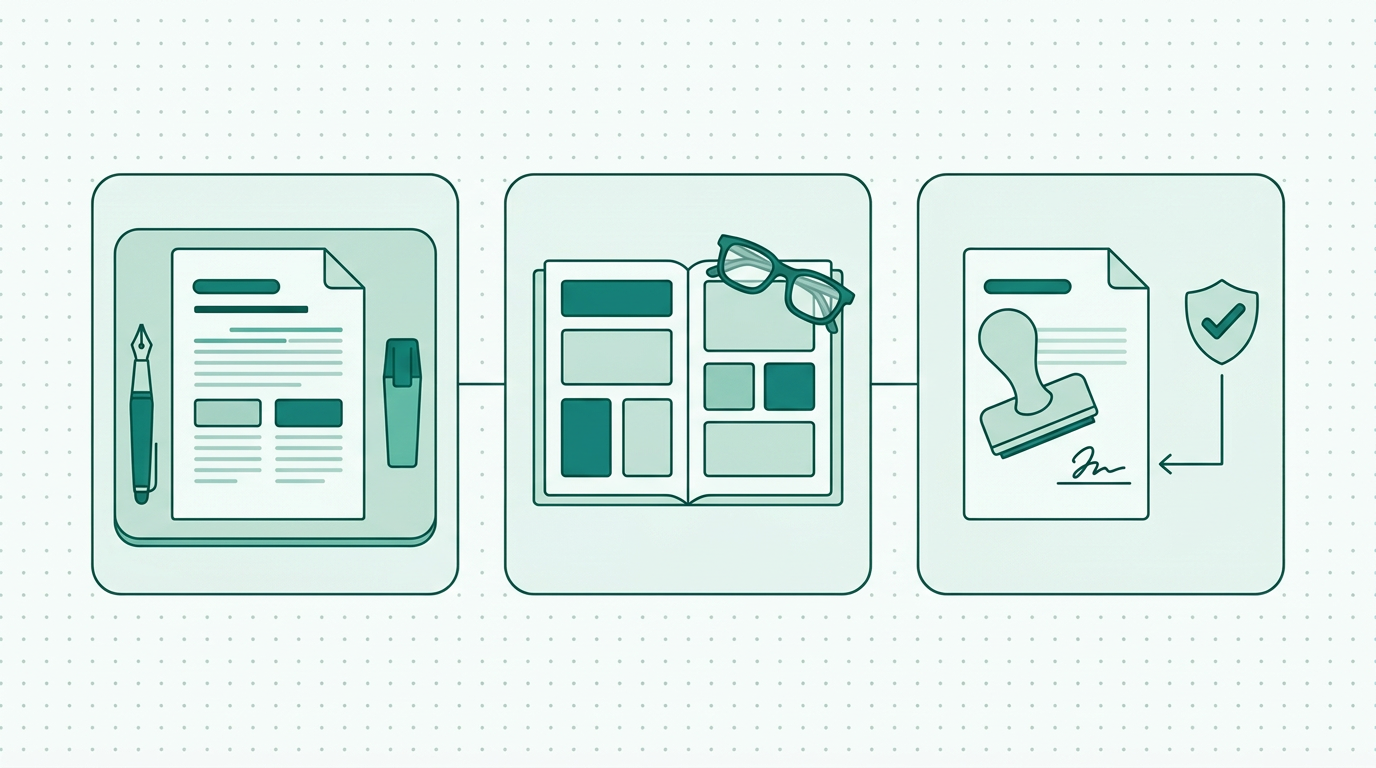
Learn how to write an effective decision paper for your management team with clear steps and examples to facilitate informed decision-making.
The importance of a well-structured decision paper
In a fast-paced business environment, managers and decision-makers often face numerous requests and initiatives that require careful consideration and actionable decisions. Understanding how to write a decision paper for a management team is essential, as it serves as a vital tool in this process, providing a clear and concise framework for outlining the key elements necessary for informed decision-making. By effectively communicating the context, options, implications, and recommendations, a decision paper can streamline discussions, mitigate risks, and enhance the quality of decisions made by management teams.
The clarity that a well-structured decision paper offers ensures that all stakeholders are on the same page, minimizing misunderstandings and fostering collaboration. Moreover, it acts as a reference point for future decisions, allowing teams to reflect on past choices and their outcomes. Understanding the elements of a decision paper not only aids in making informed decisions but also equips teams with the skills to communicate effectively, leading to better business outcomes.
This article will guide you through the essential components of writing a decision paper and how tools like PlanToValue can support this process.
Understanding the Structure of a Decision Paper
A decision paper typically consists of several key sections that work together to present a coherent argument or proposal. Each section should be clearly defined and formatted to ensure readability and ease of understanding. The primary components include: an introduction, background information, problem statement, analysis of options, recommendations, and a conclusion.
Each section serves a specific purpose: the introduction sets the context; the background information provides necessary details; the problem statement identifies the core issue; the analysis of options explores potential solutions; the recommendations suggest a preferred course of action; and the conclusion encapsulates the discussion. By adhering to this structure, you can create a decision paper that is not only informative but also persuasive in guiding your management team towards a consensus. Additionally, maintaining a consistent format throughout the document can enhance clarity, making it easier for readers to navigate through the information presented.
This structured approach not only benefits the creators of the decision paper but also facilitates a smoother review process by the management team.
- Introduction
- Background Information
- Problem Statement
- Analysis of Options
- Recommendations
- Conclusion
Crafting Each Section of the Decision Paper
When crafting each section of the decision paper, it’s essential to keep the intended audience in mind. Begin with a compelling introduction that outlines the purpose of the paper and sets the stage for the discussion. The introduction should also briefly mention the significance of the issue and the potential impact on the organization, thereby capturing the attention of the readers.
The background information should provide context, including relevant data and insights that clarify the situation at hand. This section may include historical data, recent developments, or industry trends that are pertinent to the decision at hand. The problem statement must clearly articulate the issue that requires a decision, using precise language to avoid ambiguity.
It’s crucial to frame the problem in a way that highlights its urgency and relevance. The analysis of options should present various paths forward, including the pros and cons for each. This evaluation should be thorough, considering various factors such as costs, resources, and potential outcomes.
Finally, your recommendations should be actionable and supported by the preceding analysis, leading to a strong conclusion that reiterates the importance of the decision at hand. This final section should not merely restate previous points but also provide a call to action, prompting the management team to take the necessary steps.
The Role of Data in Decision-Making
Incorporating data and evidence into your decision paper significantly enhances its credibility. Managers often rely on quantitative and qualitative data to inform their decisions, so it's crucial to present this information effectively. Utilize charts, graphs, and statistics where applicable to illustrate key points and support your recommendations.
The use of data helps to remove biases and personal opinions from the decision-making process, allowing for a more objective evaluation of the options. Furthermore, clear visuals can help convey complex information quickly and effectively, making it easier for decision-makers to grasp critical insights. When using tools like PlanToValue, you can easily gather and analyze data related to incoming requests or project evaluations.
This access to structured data enables you to present a well-founded argument in your decision paper. This data-driven approach not only strengthens your case but also instills confidence in your management team, assuring them that decisions are based on solid information rather than conjecture. In addition to numerical data, consider including testimonials or case studies that illustrate successful implementations of similar decisions, further bolstering your argument.
Ensuring Clarity and Conciseness
Clarity and conciseness are paramount when writing a decision paper. The goal is to communicate complex ideas in a straightforward manner that can be easily understood by all stakeholders, regardless of their expertise. Avoid jargon and overly complex language that may obscure your message.
Instead, opt for simple, direct language that conveys your points clearly. Each section should flow logically, with clear transitions between ideas to guide the reader through your argument. Aim for brevity while ensuring that all necessary information is included.
A well-organized decision paper allows busy managers to quickly grasp the key points without getting bogged down in irrelevant details. To achieve this, consider using bullet points or numbered lists to highlight key information succinctly. By using tools like PlanToValue, you can streamline the process of compiling and organizing information, making it easier to present a focused and effective decision paper.
Additionally, having a clear table of contents or section headings can aid in navigation, allowing readers to find specific information quickly.
Collaborating with Your Team
Collaboration can greatly enhance the quality of your decision paper. Engaging relevant stakeholders early in the drafting process fosters a sense of ownership and ensures that multiple perspectives are considered. This collaborative approach not only enriches the content but also builds consensus among team members, leading to a more robust decision-making process.
Involving team members with different areas of expertise can provide insights that you may not have considered, resulting in a more comprehensive analysis of options. PlanToValue facilitates collaboration by allowing team members to contribute input and feedback on incoming requests and initiatives. This streamlining of communication ensures that all voices are heard and that important considerations are not overlooked.
Additionally, collaborative tools enable real-time feedback and updates, which can significantly improve the efficiency of the writing process. Regular check-ins and discussions with your team can also help to clarify any uncertainties and align everyone on the objectives of the decision paper, ultimately leading to better outcomes.
Finalizing and Presenting Your Decision Paper
Once your decision paper is drafted, it’s important to review and finalize the document before presenting it to the management team. This review should include checking for clarity, coherence, and logical flow, as well as ensuring that all sections are complete and that the document is free of errors. Consider having a colleague review the paper for clarity and coherence, as a fresh perspective can catch issues you may have missed.
Additionally, ensure that all data and references are accurate and properly cited, as this adds to the paper's credibility. When preparing to present your decision paper, be ready to summarize key points succinctly and anticipate questions that may arise. This proactive engagement demonstrates your confidence in the recommendations and encourages dialogue among the management team.
Utilize visual aids or slides to enhance your presentation, providing a quick reference for key statistics and conclusions. Engaging your audience with questions or prompts can also stimulate discussion and foster a collaborative environment during the presentation.
Taking Action with PlanToValue
To effectively implement the decisions made based on your decision paper, it's essential to have a system in place to manage and track the resulting actions. PlanToValue provides a structured platform for handling incoming requests from submission through to prioritization and delivery. This tool not only helps in tracking the decisions made but also allows teams to assign responsibilities and set deadlines for implementation.
By integrating PlanToValue into your workflow, you can ensure that decisions are not only made but also executed efficiently. This seamless transition from decision-making to implementation is crucial for achieving desired outcomes. Moreover, PlanToValue’s analytics feature can help you monitor the progress of the implementation, providing insights into any roadblocks or delays and allowing you to adjust plans as necessary.
This ongoing evaluation contributes to a culture of continuous improvement within the organization, enhancing overall effectiveness.
Next Steps for Effective Decision-Making
Writing a decision paper is an invaluable skill that enhances your ability to guide your management team through complex decisions. By following the outlined structure and incorporating data-driven insights, you can create compelling documents that facilitate informed discussions. Remember to leverage collaboration and tools like PlanToValue to streamline your processes and enhance the effectiveness of your decision-making efforts.
With a well-prepared decision paper, you can confidently lead your team towards impactful decisions. As you gather feedback and refine your approach, consider establishing a template for future decision papers to ensure consistency and quality across the board. This not only saves time but also serves as a valuable resource for new team members or departments unfamiliar with the process.
In addition, encourage a culture of open feedback after each decision-making process, reflecting on what worked well and what could be improved, thus fostering an environment of learning and growth.
Common Challenges in Writing Decision Papers
Even with a clear structure and intent, writing a decision paper can present various challenges. One common obstacle is the overwhelming amount of information available. When faced with extensive data, it can be difficult to determine what is most relevant to include in your paper.
This is where prioritization comes into play; focus on insights that directly impact the decision at hand and support your recommendations. Another challenge is maintaining objectivity, especially when personal biases may inadvertently influence the analysis of options. To mitigate this, consider soliciting input from diverse team members who can provide different perspectives and challenge assumptions.
Additionally, time constraints can hinder the thoroughness of your decision paper. To counter this, set clear timelines for drafting and revisions, allowing adequate time for collaboration and review. Addressing these challenges head-on can lead to a more effective decision paper and ultimately better decision-making outcomes.
FAQ
Frequently asked questions
What is a decision paper?
A decision paper is a structured document that outlines a specific issue requiring a decision, presents options for consideration, and recommends a course of action. It serves to inform and guide management teams in their decision-making process.
How long should a decision paper be?
The length of a decision paper can vary depending on the complexity of the issue at hand. However, it is generally advisable to keep it concise, ideally between 2-5 pages, to maintain clarity and focus. The key is to ensure that all relevant information is included without unnecessary filler.
What information should be included in a decision paper?
A decision paper should include an introduction, background information, a clear problem statement, an analysis of available options, recommendations, and a conclusion. Supporting data and analysis are also crucial for substantiating the recommendations. Additionally, consider including potential risks and implications of the recommended actions, as this provides a comprehensive view.
Can PlanToValue assist in writing a decision paper?
Yes, PlanToValue can assist in writing a decision paper by providing tools for data analysis, collaboration, and organization of incoming requests. This platform ensures that you have the necessary insights and structure to create an effective decision paper. By utilizing its features, you can streamline the process of gathering information and feedback, ultimately enhancing the quality of your decision paper.