Prioritisation
Effective Strategies: How to Write a Decision Paper for a Management Team
11 November 2026 · 9 min read
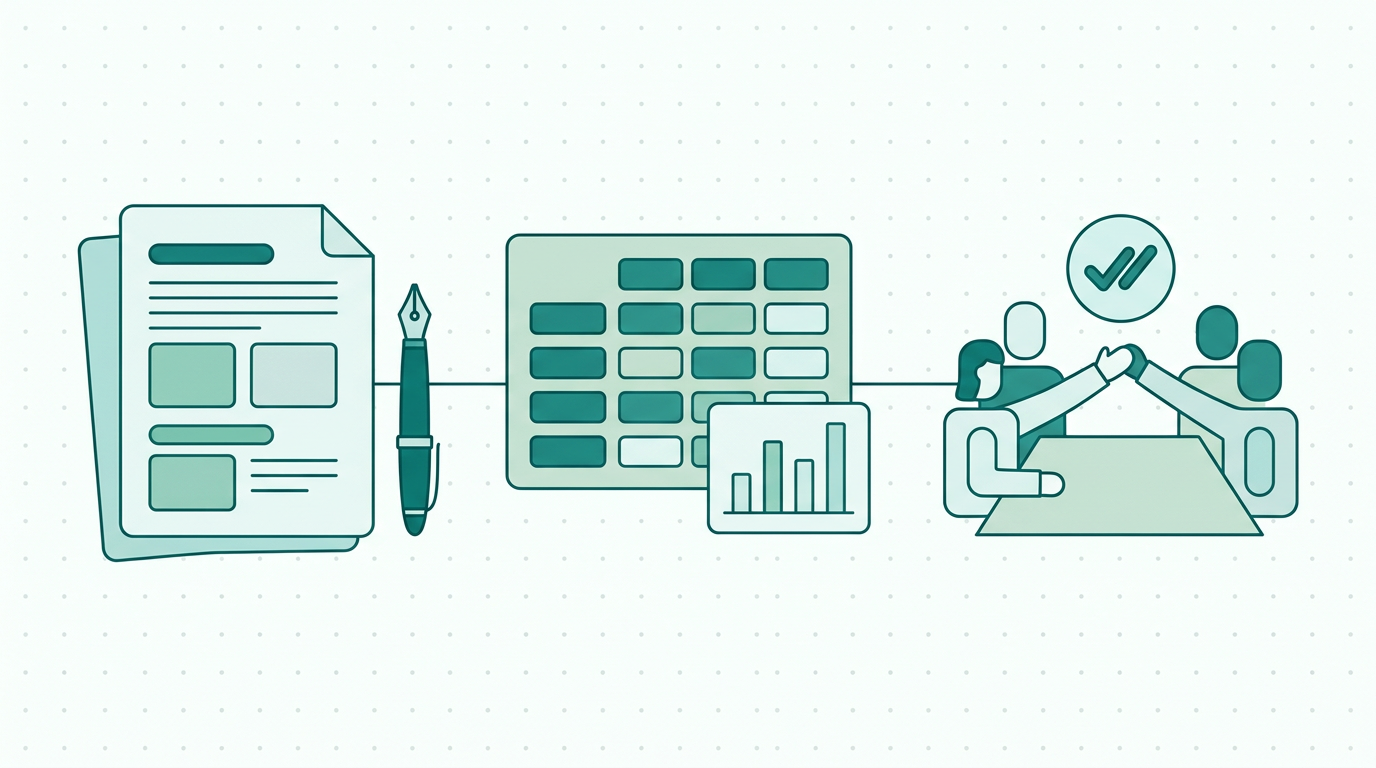
Discover expert tips on how to write a decision paper for a management team. Enhance clarity and effectiveness in decision-making processes with our guide.
Understanding the importance of decision papers
Decision papers are essential tools for management teams, providing structured information that aids in making informed choices. Understanding how to write a decision paper for a management team is crucial, as a well-written decision paper presents the necessary background, outlines options, and recommends a course of action. It serves as formal documentation that captures critical discussions and decisions made by the management team.
This is particularly important in smaller organizations where resources are limited, and every decision can significantly impact the overall direction and success of the company. By leveraging decision papers, teams can streamline their decision-making processes, ensuring all members are aligned and adequately informed. Adopting a systematic approach to writing decision papers can also lead to increased transparency and accountability within the organization.
Furthermore, decision papers provide a historical record that can be referenced in future discussions, allowing teams to learn from past decisions and improve upon them. This continuity is crucial for developing a strong organizational memory, which can enhance the overall effectiveness of a team over time.
Key Components of an Effective Decision Paper
A decision paper should be comprehensive yet concise, covering all pertinent aspects necessary for a management team to make an informed decision. Key components typically include an introduction, background information, options analysis, recommendations, and conclusion. The introduction sets the stage by briefly explaining the purpose of the decision paper and what decision needs to be made.
The background section provides context, detailing relevant facts and figures that influence the decision. It is essential to present this information clearly, as it helps to frame the options available. The options analysis compares different paths the management team can take, outlining the pros and cons of each option clearly.
This section should also consider potential risks and how they might affect the organization. Recommendations should be based on the analysis, providing a guided solution for the team to consider, ensuring they are actionable and realistic. Finally, the conclusion summarizes the key points and reinforces the importance of the recommended course of action, leaving no ambiguity about the preferred direction.
Steps to Writing a Decision Paper
Writing a decision paper involves several systematic steps. First, identify the decision that needs to be made. This clarity will guide all subsequent sections of your paper.
Next, gather necessary data, including financial metrics, stakeholder opinions, and market trends. This information will form the backbone of your background section, providing the management team with insights into the factors influencing the decision. Following this, outline the various options available, ensuring each is thoroughly analyzed regarding benefits and risks.
It can be helpful to use a decision matrix or similar tool to visualize the comparisons. Once you have a clear understanding of the options, articulate your recommendations based on this analysis. It's essential to justify your recommendation with credible evidence and logical reasoning, aligning it with the organization's goals and priorities.
Lastly, review the entire document for clarity and conciseness, ensuring that it is structured logically and free from jargon. This makes it accessible for all team members, facilitating a smoother decision-making process.
Utilizing PlanToValue for Decision Paper Preparation
PlanToValue can be a valuable asset in the decision-making process by streamlining the gathering of data and prioritizing requests that require decisions from management. The platform helps smaller organizations manage incoming requests efficiently, allowing team members to focus on critical decision-making tasks rather than getting bogged down in administrative details. By utilizing PlanToValue, teams can ensure that all relevant data is readily available when drafting decision papers, making the preparation process smoother and more organized.
Additionally, PlanToValue allows for easy collaboration among team members, ensuring that diverse perspectives are considered before finalizing recommendations. This collaborative feature is crucial, as it enables teams to incorporate feedback from various stakeholders, ultimately leading to a more robust decision paper. Moreover, the platform can track the progress of decisions, providing insights into how past decisions have performed, which can be invaluable for future reference and continuous improvement.
Common Mistakes to Avoid in Decision Papers
When drafting a decision paper, certain pitfalls can detract from its effectiveness. One common mistake is being overly verbose; decision papers should be concise, focusing on the essentials rather than excessive detail. Lengthy documents can overwhelm readers and obscure critical points.
Another frequent error is failing to provide a balanced analysis of options. It is crucial to explore all viable paths without bias, allowing the management team to weigh the pros and cons effectively. Ignoring alternative options can lead to missed opportunities or poor decisions.
Additionally, neglecting to include supporting data can undermine the credibility of your recommendations. Ensure that all claims are backed by facts and figures, as this lends authority to your arguments and instills confidence in the decision-making process. Lastly, avoid using jargon or overly complex language; clarity is paramount in ensuring all stakeholders understand the implications of the decision.
A decision paper should be accessible to all members, regardless of their background or expertise.
Real-World Example of a Decision Paper
To illustrate the effectiveness of a decision paper, consider a hypothetical situation where a management team needs to decide whether to invest in a new software solution. The decision paper would start with an introduction outlining the software's potential impact on productivity, such as reducing manual tasks and improving data accuracy. The background section would provide data on current workflow inefficiencies, detailing how the existing systems are hindering performance and how the new software addresses these issues.
The options analysis would compare the proposed software with the current system and alternative solutions, detailing costs, implementation timelines, and potential return on investment (ROI). Each option should be evaluated against key criteria such as ease of use, scalability, and support. The recommendation would advocate for the software investment, supported by evidence from case studies or pilot programs, including testimonials from teams that have benefited from similar implementations.
By presenting the information logically and clearly, the management team can make a well-informed decision that aligns with the organization's strategic goals.
Enhancing Decision-Making Processes with Feedback Loops
Incorporating feedback loops into the decision-making process can significantly enhance the effectiveness of decision papers. Feedback loops allow management teams to review the outcomes of previous decisions, assess their impact, and gather insights from team members regarding what worked and what didn’t. This iterative approach fosters a culture of continuous improvement, where teams can adapt their processes based on real-world outcomes.
For example, after the implementation of a new software solution, the management team should gather feedback on its performance, usability, and overall impact on productivity. This feedback can be documented in follow-up decision papers, capturing lessons learned and informing future decisions. By regularly integrating feedback into decision-making, management teams can refine their strategies, enhance team cohesion, and ultimately drive better organizational performance.
The Role of Data Analytics in Decision Papers
In today's data-driven environment, leveraging data analytics in the preparation of decision papers can provide a significant advantage. Data analytics tools can help management teams uncover trends, forecast potential outcomes, and quantify the impact of various options. By incorporating relevant data analytics into the decision-making process, teams can enhance their understanding of the implications of each option.
For instance, if a management team is considering expanding their product line, data analytics can provide insights into market demand, customer preferences, and competitive analysis. This data can help substantiate the recommendations made in the decision paper, ensuring they are grounded in solid evidence. Additionally, visual representations of data, such as charts or graphs, can make complex information more digestible for the management team, facilitating a quicker and more informed decision-making process.
Conclusion: The Path to Effective Decision-Making
Writing an effective decision paper is a critical skill for management teams, particularly in smaller organizations where each decision holds significant weight. By understanding the key components, following a structured approach, and avoiding common mistakes, teams can enhance their decision-making processes. Utilizing tools like PlanToValue can further streamline these processes, ensuring that all necessary data is at hand and facilitating collaboration among team members.
With a comprehensive decision paper, management teams can make informed choices that align with the organization's goals and drive success. Clear, structured decision-making not only helps in achieving desired outcomes but also fosters a culture of accountability and transparency within the organization. By continually refining the decision-making process through feedback loops and leveraging data analytics, organizations can become more agile and responsive in a rapidly changing business landscape.
- Identify the decision clearly
- Gather relevant data and background information
- Analyze various options objectively
- Make data-driven recommendations
- Review for clarity and conciseness
- Integrate feedback from past decisions
- Utilize data analytics for informed insights
FAQ
Frequently asked questions
What is the purpose of a decision paper?
The purpose of a decision paper is to present structured information that aids management teams in making informed choices regarding significant decisions.
How should I structure a decision paper?
A decision paper should typically include an introduction, background information, options analysis, recommendations, and a conclusion.
What common mistakes should I avoid when writing a decision paper?
Avoid being overly verbose, failing to provide balanced analysis, neglecting supporting data, and using jargon or complex language.
How can PlanToValue assist in creating decision papers?
PlanToValue helps streamline the gathering of data and prioritizing requests, making it easier for teams to prepare comprehensive decision papers.
Why is feedback important in the decision-making process?
Feedback is crucial as it allows teams to learn from past decisions, adapt their processes, and improve future decision-making outcomes.
How can data analytics enhance decision papers?
Data analytics provides insights into trends and forecasts, helping teams make more informed decisions based on solid evidence.