Prioritisation
Understanding Definition of Done for Non-Software Teams
18 November 2026 · 10 min read
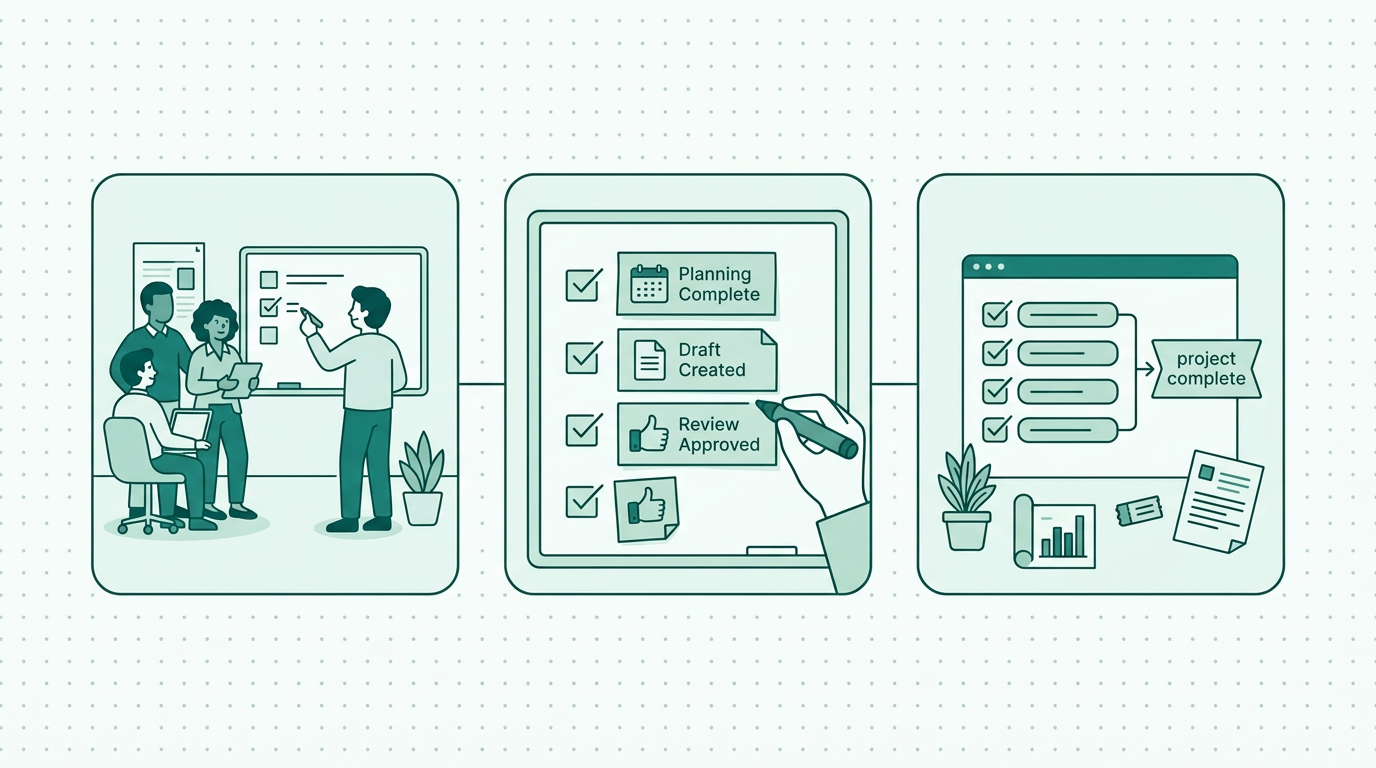
Explore clear examples of 'Definition of Done' tailored for non-software teams to enhance project clarity and accountability.
Why establishing a definition of done is crucial for non-software teams
In today's fast-paced work environment, clarity and accountability are essential, particularly for non-software teams. A definition of done example for non-software teams sets the standard for when a piece of work is considered complete, ensuring that all team members share a common understanding of expectations. This clarity is vital as it not only helps in defining what 'done' means but also establishes a framework for measuring progress and success.
In the absence of a well-defined DoD, projects can suffer from miscommunication, missed deadlines, and unsatisfactory outcomes. Misalignment can lead to frustration among team members, decreased morale, and ultimately, failure to meet organizational goals. This article delves into the concept of DoD, providing relevant examples tailored to various non-software teams, and illustrating how PlanToValue can streamline the process of defining and implementing this crucial concept.
We will explore the various aspects of creating a Definition of Done and its importance in ensuring that teams operate effectively and efficiently.
What is a Definition of Done?
The Definition of Done is a clear and concise checklist that outlines the criteria that must be met for a task or project to be considered complete. It is a common practice in agile methodologies, though its applicability extends beyond software development. For non-software teams, a DoD may include elements such as stakeholder approvals, quality assurance checks, and documentation requirements.
The purpose of a DoD is to prevent ambiguity in the completion of tasks, ensuring that everyone involved understands what 'done' truly means. By having a shared understanding of completion criteria, teams can avoid the pitfalls of differing interpretations that often lead to delays and disputes. Establishing this clarity can significantly enhance the efficiency of teams, driving better performance and outcomes.
Moreover, a well-communicated DoD fosters a culture of accountability, where team members feel responsible for meeting the defined criteria, thus elevating the overall standard of work produced.
Examples of Definition of Done for Different Non-Software Teams
Different teams will have unique needs and expectations, and as such, their Definitions of Done will vary accordingly. Here are some tailored examples for various non-software teams:
-
Marketing Team: A marketing campaign is considered done when all promotional materials are created, approved by stakeholders, scheduled for release, and data tracking mechanisms are in place to measure performance. Additionally, all campaign messaging aligns with brand guidelines and has undergone a final review for compliance with advertising standards.
-
Human Resources Team: A recruitment process is complete when a job offer is made, the candidate has accepted, all onboarding documents are signed, and the new hire has been integrated into the team's system. Furthermore, the team should ensure that all necessary training schedules are confirmed and that the new employee has access to required tools and resources.
-
Sales Team: A sales proposal is defined as done when it has been reviewed by relevant stakeholders, tailored to the client's needs, presented to the client, and followed up with a feedback request. The proposal should also include a clear outline of deliverables and timelines, ensuring that both parties have aligned expectations.
-
Customer Support Team: A support ticket is closed when the issue is resolved, the customer has been informed, and feedback has been solicited to assess satisfaction with the resolution. Additionally, documentation of the resolution process should be updated, and any necessary follow-up actions should be noted for future reference.
-
Finance Team: A financial report is considered complete when it has been compiled, reviewed for accuracy, approved by management, and distributed to relevant stakeholders. This should also include a summary of insights derived from the data, along with recommendations for future financial planning.
The Benefits of Implementing a Definition of Done
Establishing a Definition of Done brings several benefits to non-software teams. Firstly, it enhances communication by ensuring everyone has a shared understanding of what constitutes completion. This reduces confusion and sets clear expectations for team members, facilitating smoother collaboration.
Secondly, a well-defined DoD can improve project quality, as it often includes criteria that focus on thoroughness, accuracy, and compliance with organizational standards. When teams have specific benchmarks to meet, they are more likely to produce high-quality results. Lastly, having a DoD can streamline workflows, making it easier to assign tasks and measure progress, which can be particularly beneficial for teams managing multiple requests or projects in parallel.
It can also reduce the likelihood of rework, as team members are clear about what needs to be completed upfront. PlanToValue can assist in organizing these elements, providing a platform where teams can outline their Definitions of Done and track completion effectively. The systematic documentation and monitoring capabilities of PlanToValue can further enhance accountability and transparency within the team.
Integrating Definition of Done into Your Workflow
To effectively integrate a Definition of Done into your team's workflow, start by involving all team members in the creation process. This collaborative approach ensures that everyone’s perspectives and needs are considered, leading to greater buy-in and commitment to the defined criteria. Next, document the agreed-upon criteria and make it easily accessible to all team members.
This could be done using project management tools or shared documents that are regularly updated. Regularly review and adjust the DoD as necessary to reflect changes in processes or team dynamics. This iterative approach allows the DoD to evolve alongside the team's needs and the projects they undertake.
Leveraging tools like PlanToValue can facilitate this process by allowing teams to manage their incoming requests and initiatives while ensuring that their Definition of Done is adhered to throughout the workflow. By regularly checking in on the effectiveness of the DoD, teams can make informed adjustments that enhance their efficiency and effectiveness.
Challenges in Defining and Implementing a Definition of Done
Defining and implementing a Definition of Done is not without its challenges. One common issue is resistance to change; team members may be accustomed to previous workflows and reluctant to adopt new criteria. This resistance can hinder the effectiveness of the DoD and create friction within the team.
Additionally, there can be a lack of clarity about what should be included in the DoD, leading to incomplete criteria that fail to capture all necessary elements of project completion. To overcome these challenges, organizations should provide training and support, ensuring that all team members understand the importance of a DoD. Open communication about the benefits can also help alleviate resistance, making it easier to establish a functioning DoD.
Establishing a feedback loop where team members can voice their concerns and suggestions can be instrumental in refining the DoD and increasing team engagement in the process. By fostering an open dialogue, organizations can create an environment that values continuous improvement and team collaboration.
Best Practices for Creating a Definition of Done
Creating a Definition of Done requires careful consideration and collaboration. Here are some best practices to follow:
- Collaborate with the Team: Involve all relevant stakeholders in the creation of the DoD to ensure that it meets everyone's needs and expectations. This collaborative approach can lead to a more robust and accepted definition.
- Keep It Simple: Avoid overcomplicating the criteria; a concise and clear definition is more effective. The simpler the DoD, the easier it is for team members to remember and adhere to it.
- Regularly Review: Schedule regular reviews to update the DoD based on team feedback and project changes. This ensures that the definition remains relevant and effective in meeting the team's evolving needs.
- Use Real Examples: Incorporate real project data or past examples to highlight successful implementations of the DoD. This can provide context and clarity on how the definition translates into practical applications.
- Leverage Tools: Utilize platforms like PlanToValue to document and communicate the Definition of Done clearly. Having a centralized location for this information can enhance visibility and adherence among team members.
- Educate the Team: Provide training sessions that explain the importance of the DoD and how it impacts the quality of work. Educating team members can foster a culture of accountability and commitment to quality.
Measuring the Effectiveness of Your Definition of Done
To assess the effectiveness of your Definition of Done, consider tracking project outcomes and team performance metrics. Evaluate whether projects are completed on time and if team members feel that the DoD helps them deliver quality work. Gathering feedback through surveys or retrospective meetings can also provide valuable insights into how well the DoD is functioning.
Look for indicators such as the number of revisions required after project completion or the time taken to resolve discrepancies related to completed tasks. If you notice areas for improvement, adjust the criteria accordingly to ensure they meet the evolving needs of your team. Tools like PlanToValue can provide analytics and insights, helping teams to refine their processes and improve overall performance.
Regularly measuring these outcomes not only reinforces the value of the DoD but also highlights areas where additional training or support might be necessary.
Taking the Next Steps Towards Defining Done
Understanding and implementing a Definition of Done can significantly enhance the clarity and accountability of non-software teams. By defining clear criteria for completion, teams can improve communication, elevate project quality, and streamline workflows. Embracing this concept is a step towards better project management and successful outcomes.
Start the journey today by bringing your team together to draft a Definition of Done that reflects your unique needs and processes. Facilitate workshops to brainstorm and finalize the criteria, ensuring everyone has a voice in the process. With the right tools and approaches, your organization can thrive in a structured and clear environment.
Remember, the goal is not just to complete tasks but to ensure that each task meets the quality and standards expected by the team and stakeholders. With a well-defined DoD in place, your team can confidently tackle projects, knowing that they are equipped with the clarity needed to succeed.
- Involve team members in the creation of the DoD
- Ensure clarity and simplicity in criteria
- Regularly review and update the DoD
- Use real project data for reference
- Utilize tools for tracking and communication
- Educate the team on the importance of DoD
- Foster an open dialogue for continuous improvement
FAQ
Frequently asked questions
What is the purpose of a Definition of Done?
The Definition of Done serves to clarify when a task or project is considered complete, ensuring all team members have a shared understanding of expectations. It minimizes ambiguity and promotes accountability within the team.
How can a Definition of Done improve team performance?
A Definition of Done enhances communication, sets clear expectations, and improves project quality by outlining specific criteria for completion. This leads to more efficient workflows, reduced rework, and increased team morale.
What should be included in a non-software team's Definition of Done?
Criteria may include stakeholder approvals, quality checks, documentation requirements, and any other relevant benchmarks for project completion. It should also reflect the unique processes and standards of the team.
How often should the Definition of Done be reviewed?
It is advisable to regularly review the Definition of Done, ideally after each project or at set intervals, to ensure it remains relevant and effective. Regular reviews help in adapting to changes in team dynamics and project requirements.
Can the Definition of Done evolve over time?
Absolutely. The Definition of Done should be a living document that evolves based on team experiences, project outcomes, and feedback. Regular adjustments ensure that it continues to meet the needs of the team and the organization.